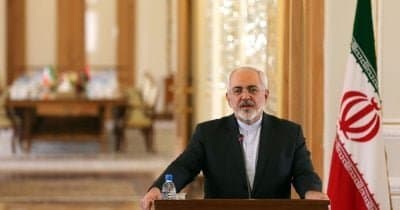
Negotiations between Iran and the United States are at a critical juncture. Former Iranian Foreign Minister Mohammad Javad Zarif warned that without a final agreement within 60 days, Iran could plunge into deeper economic difficulties, widespread unrest, and possibly renewed military strikes. This deadline follows a fragile ceasefire that has already been marred by accusations of violations from both sides.
Zarif's warning throws a shadow over the ongoing diplomatic efforts, signaling that failure to reach a deal might not only destabilize Iran internally but also escalate tensions with the US. The stakes are high, as economic sanctions and military threats have severely constrained Iran's economy and social stability in recent years.
Market Reactions and Geopolitical Stakes
Markets have reacted cautiously to this announcement, interpreting it as a sign that the chances of a successful deal are diminishing. Investors and analysts are closely monitoring statements from key figures, including Iranian officials and US leadership, for any indication of progress or setbacks. The uncertain outlook is reflected in trading behavior, with no clear optimism about reconstruction funding or easing of sanctions that a deal might bring.
Observers also keep an eye on intermediaries shaping the talks and any external influences from other regional powers that could tip the balance. Should negotiations fail, the consequences could ripple beyond Iran’s borders, affecting global geopolitical stability and economic conditions.
This material is for informational purposes only and does not constitute financial advice.