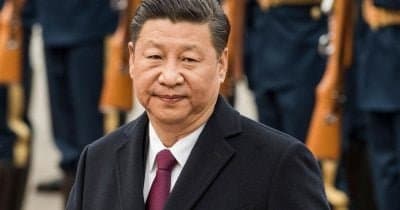
During a recent state visit to Beijing, Vladimir Putin's status as a leader was put under the spotlight, revealing a notable shift in the China-Russia dynamic. Xi Jinping, once inspired by Putin's leadership style, now seems to treat him as a junior partner amid a growing imbalance of power.
The Wall Street Journal reports that this change in perception is largely influenced by Russia's ongoing economic struggles and international isolation. These challenges have increasingly positioned China as a vital ally, supplying not only economic support but also military capabilities to Russia.
The recent agreements signed during Putin's visit shows China's dominant role in this partnership. Observers note that the strategic cooperation appears to be strengthening, but with China clearly taking the lead. Xi's re-evaluation of Putin could have significant implications for future collaboration.
Moreover, the likelihood of Putin remaining in power through 2026 has slightly increased, suggesting he may not face imminent removal from office. Analysts are closely monitoring any changes in diplomatic language from both nations, which could signal shifts in their relationship.
As the partnership evolves, international watchers are advised to pay attention to new agreements between China and Russia. Any updates from official channels could reshape current perceptions of their alliance. For example, developments in the military cooperation between the two nations could redefine regional security dynamics.
This article is informational and does not constitute financial advice.