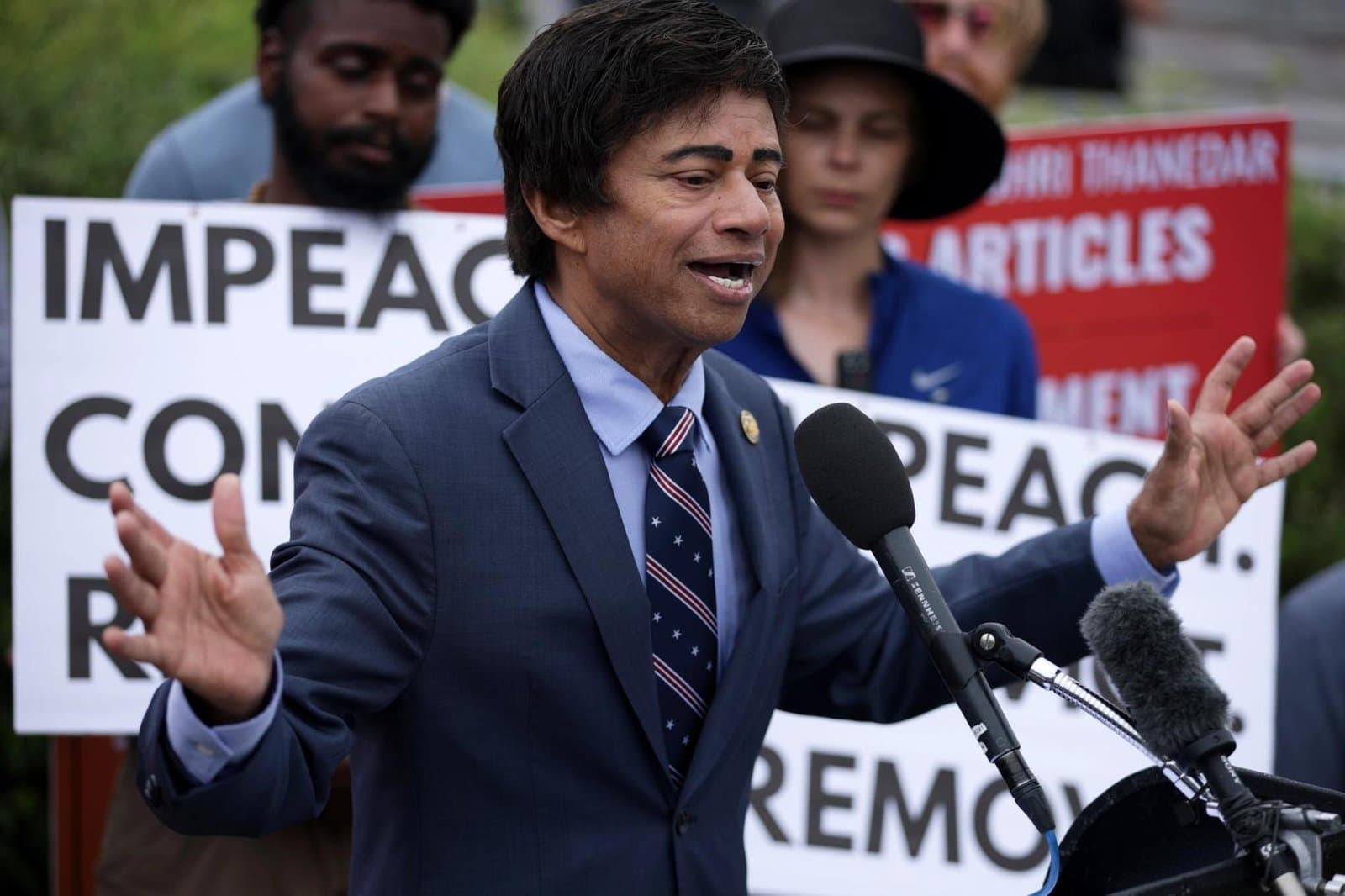
Austrian lawmaker Andreas Minnich has grown impatient. In a recent interview, he told Iran International that Europe's diplomatic playbook on Tehran is no longer working. The EU keeps talking. Meanwhile, he argues, thousands are dying on the streets.
The numbers Minnich cited are staggering. Over 40,000 people were killed during just two days in January, he said, with thousands more arrested and tortured in the aftermath. Those figures align with documentation from the 2022-2023 crackdown that followed Mahsa Amini's death in police custody. The Austrian MP wants the bloc to move beyond statements and formal pressure, though he stopped short of naming specific sanctions or military options.
Why the timing matters
Minnich's call comes as Washington has reimposed a naval blockade on Iran. The U.S. Navy is now enforcing restrictions on maritime traffic, cutting off energy exports and goods shipments that fuel Tehran's economy. For markets, this signals that Western powers are coordinating a harder line, not softening one. The blockade alone creates use that diplomacy alone cannot match.
EU officials have pushed back quietly against unilateral U.S. moves before, but Minnich's intervention suggests growing frustration within European capitals. If Austria, a relatively small player in EU politics, is publicly demanding tougher action, the mood in Berlin or Paris may be shifting too. That kind of internal alignment would mark a real break from the cautious approach of recent years.
What traders are watching
Financial markets have already priced in prolonged tension. The blockade makes a quick deal unlikely. If the EU follows Minnich's lead and tightens its own pressure, the standoff could stretch for months. Oil markets are watching Iranian export volumes. Tech investors track sanctions risk on companies with supply chains tied to the region. Crypto traders monitor geopolitical premium in Bitcoin.
The next move belongs to Brussels. Will it echo Vienna's call, or maintain its preference for negotiation channels that have delivered little in five years. That answer will reshape how investors think about Iran exposure heading into 2027.
This article is for informational purposes only and should not be construed as financial or investment advice.