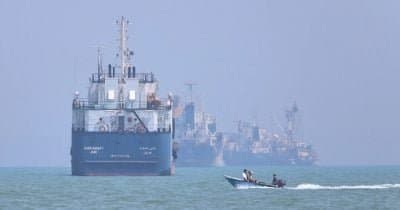
From July 10 to July 12, vessel traffic through the Strait of Hormuz dropped by around 52%, significantly impacting global shipping routes. This sharp decline is attributed to escalating tensions between Iran and the United States, marked by recent military actions and the reinstatement of a US blockade on Iranian shipping.
The Islamic Revolutionary Guard Corps recently claimed responsibility for disabling two supertankers, while the US conducted airstrikes on Iranian positions. These developments have reignited geopolitical hostilities between the two nations, affecting operational conditions in this key maritime corridor.
Market Reactions and Predictions
Current market assessments indicate a high probability of fewer than 150 vessels transiting the Strait during the week in question, with an estimated likelihood of 89.3%. This marks a significant uptick in perceived risk compared to previous weeks, as market participants adjust to the heightened military risks in the region.
Analysts are noting that historical volatility within the geopolitical landscape is influencing shipping market expectations. The potential decrease in vessel traffic has raised concerns among shipping firms about operational safety and the feasibility of conducting normal transit operations.
Future Implications
Moving forward, experts will closely watch for any further military engagements or retaliatory actions that could disrupt maritime traffic through the Strait of Hormuz. Additionally, any diplomatic initiatives aimed at mitigating the current tensions could have a considerable effect on market dynamics. The response from major shipping companies will also play a crucial role in shaping future expectations regarding trade through this essential route.
This article is for informational purposes only and does not constitute financial advice.