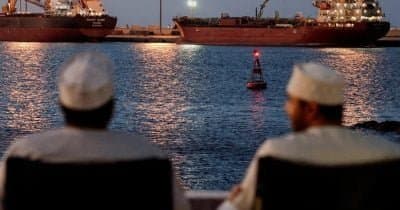
The United States has intensified its military strategy in the Persian Gulf, specifically targeting Iranian naval assets. This escalation reflects ongoing tensions involving Iran, Israel, and U.S. forces, amid frequently breached ceasefires leading to naval confrontations. The U.S. aims to disrupt Iran's supply lines and reduce its clout in the strategically crucial Strait of Hormuz.
Current military activities, aiming at Iranian maritime capabilities, suggest an increased likelihood of persistent disruptions in the strait. Market stakeholders are adjusting their expectations, with projections indicating a diminished probability of traffic normalization. Analysts now foresee an 11.5% chance of operations in the Strait returning to normal levels by August 31, following these military maneuvers.
Supply Chain Vulnerabilities
Disruptions in the Strait of Hormuz could have far-reaching effects on global oil supply and maritime trade, considering that a significant percentage of global oil transport transits through this narrow waterway. The ongoing U.S. initiatives could vastly influence market dynamics, potentially leading to increased oil prices and heightened geopolitical uncertainty.
To track developments effectively, observers are advised to monitor updates from leaders including U.S. President Donald Trump and Iranian President Masoud Pezeshkian. Their announcements may provide insights into whether diplomatic resolutions or further military engagements are on the horizon. Crucial events, such as peace deals or significant military actions, could fundamentally change market perceptions regarding the normalization of traffic in the strait.
Additionally, utilization of live vessel tracking systems is recommended to stay abreast of any incidents suggesting a reopening of trade routes in the region, which remains under threat due to the rising military tensions.
This article is for informational purposes only and does not constitute financial advice.