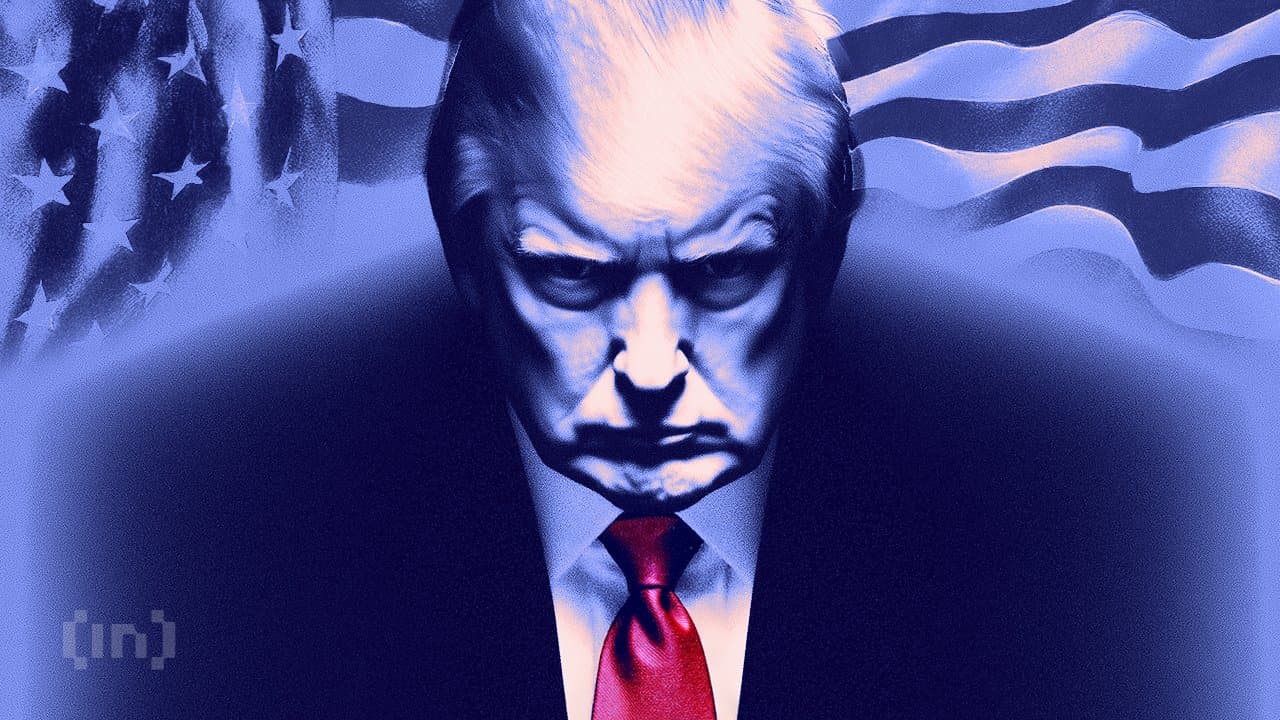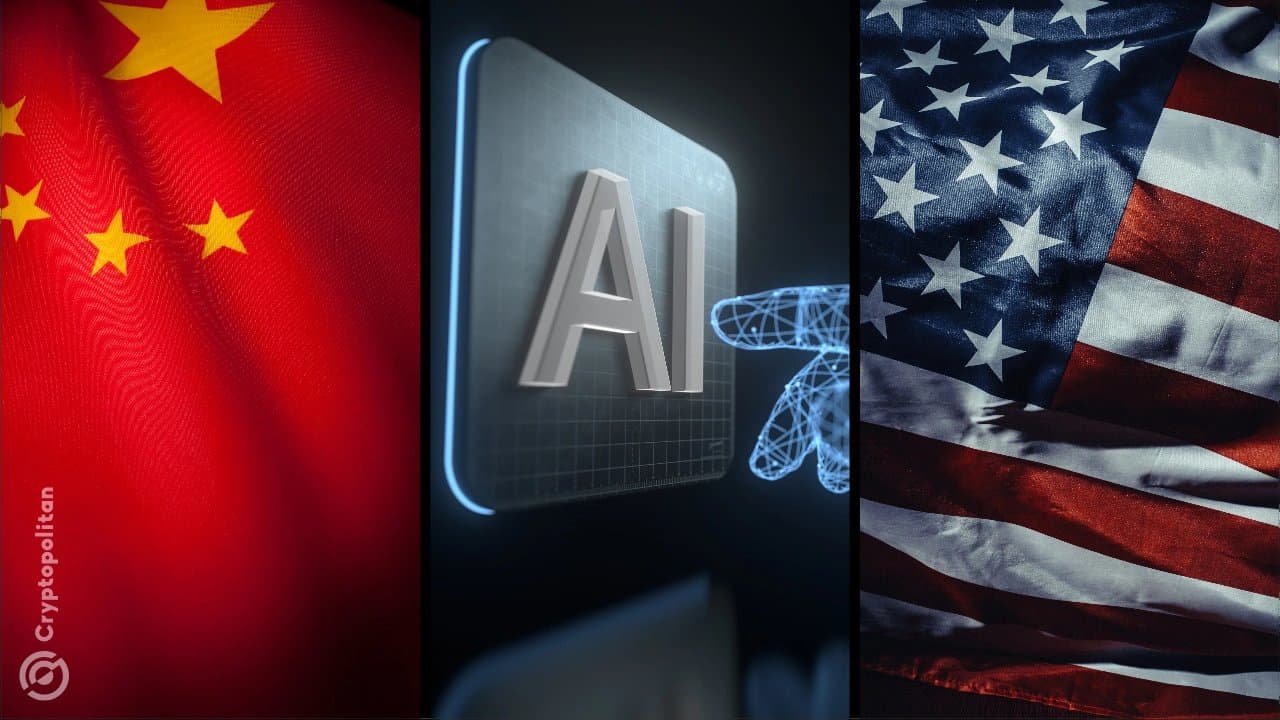
The US administration under Trump is reviewing potential restrictions on Chinese open-source AI models, aiming to curb their growing use among American companies.
Background and Developments
The move follows the recent emergence of Moonshot AI's Kimi K3 model, which debuted during the World Artificial Intelligence Conference in Shanghai. Kimi K3 reportedly matches the performance of leading US AI models such as Anthropic's Fable and OpenAI's ChatGPT while offering a significantly lower cost. This price advantage has led some US businesses to adopt Chinese AI solutions, raising concerns about market share and national security among US policymakers.
In 2025, the Department of Commerce considered placing several Chinese AI labs on its Entity List, which would restrict US interactions without government approval. also the National Security Agency alongside the White House Office of the National Cyber Director issued warnings discouraging US companies from partnering with Chinese AI providers. Despite these efforts, no formal action was taken as officials feared such measures might hinder innovation.
Recently, with shifts in White House advisory roles and increased focus on national security, proposals to "tighten" controls have gained traction. However, sources indicate the administration may prefer subtle restrictions instead of an outright ban to effectively limit access to Chinese AI resources.
The debate pits proponents of protecting US AI industry dominance against voices warning that harsh regulations could stifle competition and innovation. The evolving dynamics suggest closer monitoring and regulatory strategies may soon reshape the US AI landscape.
This article is for informational purposes and does not constitute financial advice.