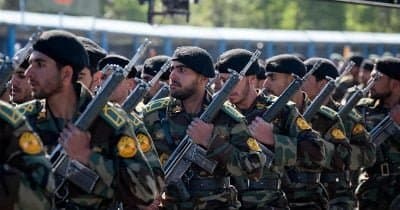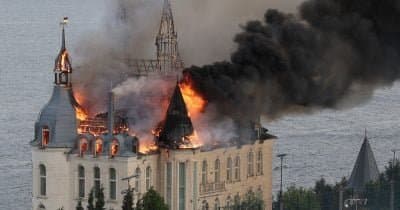
The military confrontation between the United States and Iran has intensified, continuing the trajectory of the ongoing 2026 Iran War. Since late February, US and Israeli airstrikes have targeted Iranian military sites, while Iran has responded with attacks on US assets across the Middle East.
Recent Military Actions and Strategic Impact
US forces have focused on dismantling Iranian military infrastructure to weaken Tehran's operational capabilities. In retaliation, Iran has launched assaults against American targets, fueling a cycle of escalation without any clear ceasefire or peace agreement. The Strait of Hormuz remains a vital area of concern due to its strategic importance for regional security and global shipping lanes.
Diplomatic Implications and Market Responses
This escalation undermines the prospects for a US-Iran agreement in 2026, particularly affecting discussions around Iran Reconstruction Funding. Market prices have adjusted to reflect a reduced chance of such funding being included in any deal, as ongoing hostilities suggest diplomatic solutions remain distant.
Key actors including US and Iranian negotiators, along with mediators from Qatar and Pakistan, should be closely watched for any developments that may alter the current trajectory. Additional military activities by Israel or renewed operations in Lebanon could further influence international perceptions and market dynamics. Similarly, changes in uranium enrichment levels or shifts in US foreign policy might impact the probability of a deal by the end of the year.
Market reactions so far indicate expectations for continued instability and military conflict.
Material is for informational purposes and not financial advice.