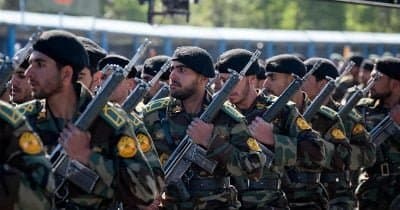
Iran has declared it will respond with full military force if the United States deploys troops on Iranian soil. This statement marks an escalation amid ongoing conflict marked by repeated ceasefire violations and exchanges of strikes involving regional U.S. bases and Gulf partners.
Details on the Current Situation
The warning from Iran highlights a growing risk of direct ground confrontation, moving beyond previous missile and naval engagements. The tension between the two countries has intensified, affecting market confidence in a potential US-Iran agreement slated for 2026. Market data shows a decline in optimism regarding a diplomatic deal, with significant drops in probabilities on related prediction markets.
Analysts note the increased likelihood of military action correlates with decreasing chances for any deal, reflecting heightened geopolitical instability. The conflict dynamics involve complex regional interactions and a fragile ceasefire that both sides have repeatedly breached.
Reactions and Geopolitical Implications
Observers remain alert for further military deployments or announcements that could escalate hostilities. Diplomatic movements from the US, Iran, and international mediators such as Qatar and Pakistan will be key in shaping future developments. Market sentiment may shift in response to these diplomatic efforts or new military actions.
The rising risk of confrontation shows the delicate balance of power in the region and the challenges facing efforts to stabilize the conflict. Any initiatives aimed at reducing tensions could impact market perceptions and geopolitical calculations significantly.
This article is for informational purposes and does not constitute financial advice.