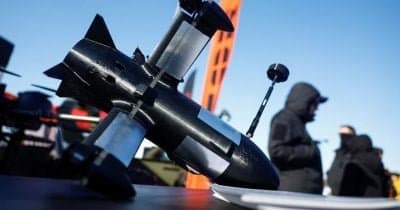
Ukrainian drones targeted 13 Russian electrical substations and four maritime vessels associated with Russia’s secret fleet near Crimea. This overnight operation, part of Ukraine's intensified campaign called Operation MoLoChKa and the "Crimean Switch Off," involved hitting a total of 59 targets and aimed to disrupt Moscow’s logistics and energy networks in the region.
The strikes mark a notable increase in Ukraine’s military efforts to weaken Russian control over Crimea and the adjacent waters. By focusing on power infrastructure and covert naval assets, Kyiv seeks to hamper the Russian military’s supply lines and operational capabilities.
Impact on Conflict Dynamics
Market reactions suggest the attacks slightly raised expectations that Ukraine could regain control over Crimea by the end of 2026. The operation signals a possible strategic shift in Ukraine’s approach to challenging Russian forces and may influence the trajectory of the ongoing conflict.
Observers await updates from defense analysts such as the Institute for the Study of War for possible changes in how Crimea’s territory is contested, including evidence of Ukrainian ground advances or Russian troop withdrawals.
Geopolitical Context
The drone strikes come amid heightened geopolitical tensions. Russia continues to reject peace negotiations despite pressure from the US and fears of further escalation. Diplomatic responses from key international players will be closely watched for indications on how the conflict might evolve.
The operation follows other Ukrainian efforts targeting Russian energy infrastructure, similar to previous attacks on oil depots and Crimea’s power grid, reflecting a sustained campaign to undermine Russian resources in the region.
Ukrainian drones target Russian oil depots and Crimea power grid
This article provides information and does not constitute financial advice.