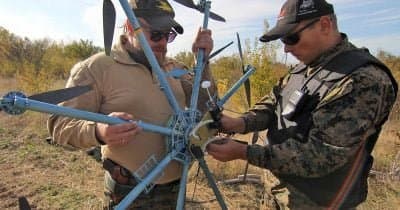
Ukraine has transitioned from a defense aid recipient to a provider of military drone technology. This shift is particularly significant as the country continues to engage with Russian forces. By leveraging its extensive battlefield experience, Ukraine is now selling drone equipment and expertise to allies, including several Gulf states and NATO partners.
In a broader effort to establish itself as a key player in the global defense sector, Ukraine has initiated joint production lines in various European countries, such as Latvia, Germany, and the UK. This move aims to enhance its diplomatic and military influence on the continent.
This strategic pivot comes in the wake of Ukraine's recent successes against Russia, particularly through its “Logistical Lockdown” strategy, which has effectively disrupted Russian logistics and contributed to weakening their advances. The implications of this shift are profound, as it may bolster Ukraine's military capabilities and potentially influence its long-term objectives, including the aspiration to regain control over Crimea.
Prediction markets have taken note of Ukraine's enhanced drone capabilities and evolving partnerships, viewing them as factors that might affect the likelihood of reclaiming Crimea. However, current market analyses indicate a decline in confidence regarding this outcome, with estimations suggesting only an 8.5% probability that Ukraine will retake the Crimean peninsula by the end of 2026.
Observers are closely monitoring Ukraine's developments in drone partnerships and their possible impact on military operations. Key indicators to watch include any confirmed Ukrainian military incursions into Crimea or significant changes in territorial control, as depicted on the ISW map. The progress of joint production lines across Europe will also likely play a crucial role in shaping Ukraine’s future military capabilities and strategic outcomes.
This material is for informational purposes only and should not be considered financial advice.