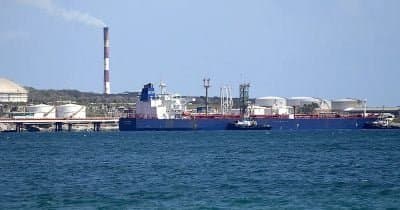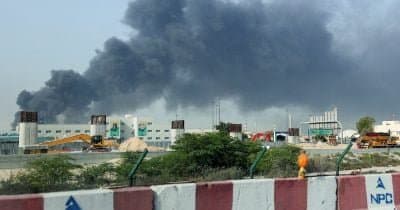
The United States has carried out airstrikes targeting Iranian bridges and a port, marking the sixth consecutive night of military actions since the conflict began in late June 2026. Recent reports indicate that these strikes are aimed at crippling Iran's logistical capabilities in the regional tension surrounding the Strait of Hormuz, a vital artery for global oil transportation.
During this ongoing military campaign, critical infrastructures in Bandar Khamir and Chabahar port have been significantly impacted. These developments are raising concerns among observers regarding Iran's potential retaliatory measures against U.S. military installations in the vicinity.
Market indicators reflect a growing unease about traffic normalization through the Strait of Hormuz. The probability of normal operations returning by August 31 has dropped from 18% to 11.5% in the past week, highlighting the fear that continued military actions and Iranian responses may hinder the resumption of trade routes.
As the situation evolves, analysts are closely monitoring any potential diplomatic efforts or peace talks that might influence the conflict's dynamics. Notifications from high-ranking officials in both the U.S. and Iran could be significant in shifting the current state of hostilities. During this period of uncertainty, real-time tracking of vessel movements will also be crucial to gauge the likelihood of restored traffic through the strategically important Strait of Hormuz.
This content is for informational purposes only and should not be considered financial advice.