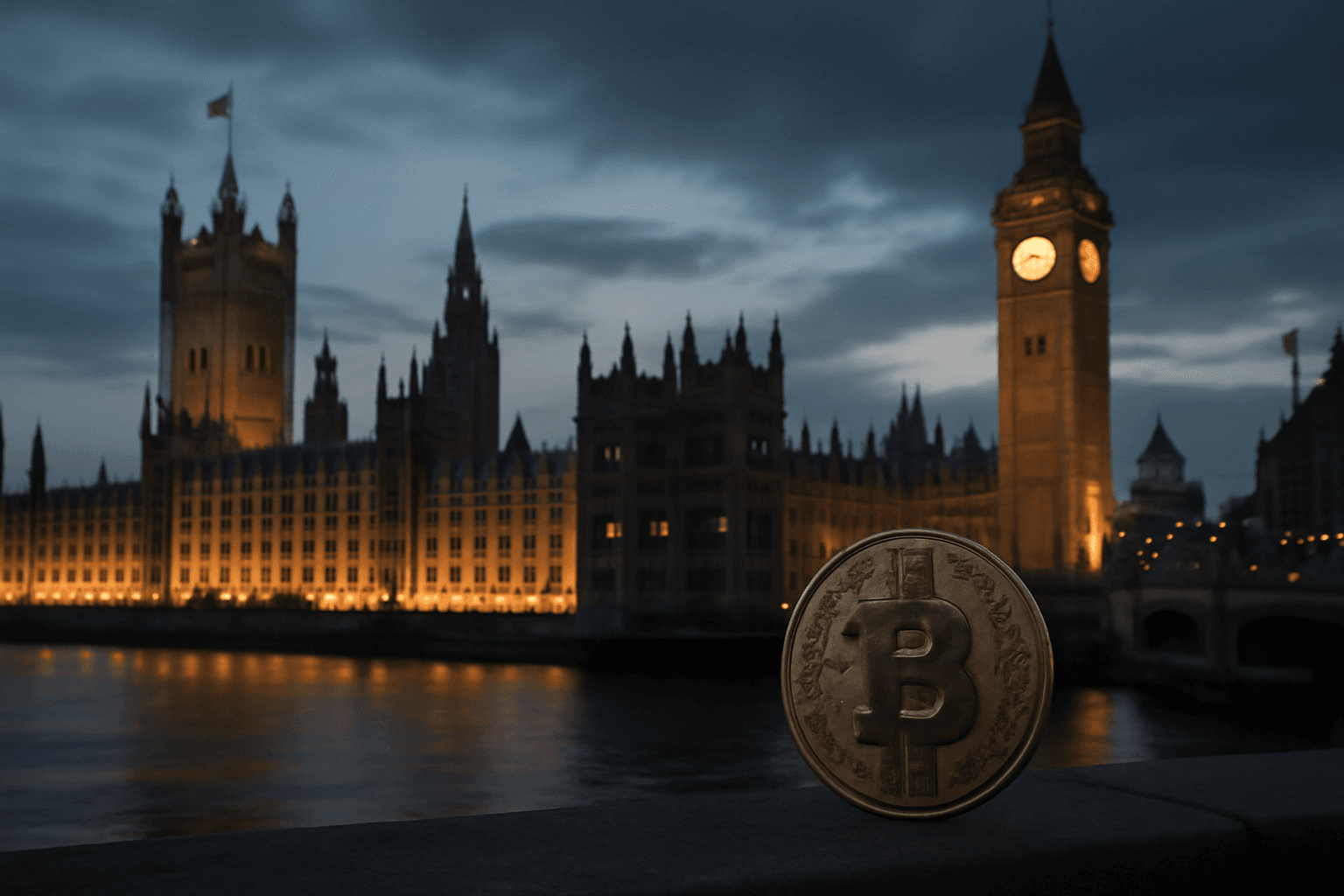
A UK parliamentary digital assets group has initiated an investigation addressing how banks interact with cryptocurrency businesses and their clients. The inquiry centers on whether digital asset firms can obtain and maintain access to standard banking services, impacting account opening, payments, and ongoing banking relationships.
Background of the Parliamentary Digital Assets Group Inquiry
This inquiry follows the recent reformation of the UK Parliament’s crypto and digital assets group, which aims to influence the nation’s regulatory framework on digital assets. Previously, this group examined broader crypto market issues and now extends its focus to banking access challenges faced by the sector.
Central to the inquiry is assessing business and individual access to everyday banking needs, key for operational continuity. The sector relies heavily on financial institutions for handling transactions, safeguarding customer funds, and managing payroll. Interruptions or denials in banking services directly threaten business stability.
Banking Friction With Crypto Firms
UK banks have been reported to block or delay payments to cryptocurrency platforms, creating operational obstacles. Survey data reveal friction stemming from banks’ risk management procedures evaluating anti-money laundering, fraud, and reputation risks. This tension contrasts with efforts aimed at financial inclusion.
The debate incorporates the challenge of distinguishing between wholesale restrictions on crypto businesses and specific compliance actions. This dichotomy influences how banks approach the sector and balance risk without shutting out legitimate operations.
Implications for Crypto Industry and Financial Institutions
The inquiry's outcome could determine the ease with which crypto companies establish resilient banking relationships instead of facing persistent rejection or onboarding frustrations. For banks, the investigation highlights how to implement regulatory compliance and reputational risk management without severing critical links to digital asset firms.
Policy makers might use findings from the inquiry to calibrate regulations that address banking access fairness while mitigating financial crime risks. This development follows previous regulatory moves in the UK, such as proposals affecting crypto platform licensing, suggesting a deepening engagement with crypto market dynamics.
This article is for informational purposes and does not constitute financial advice.