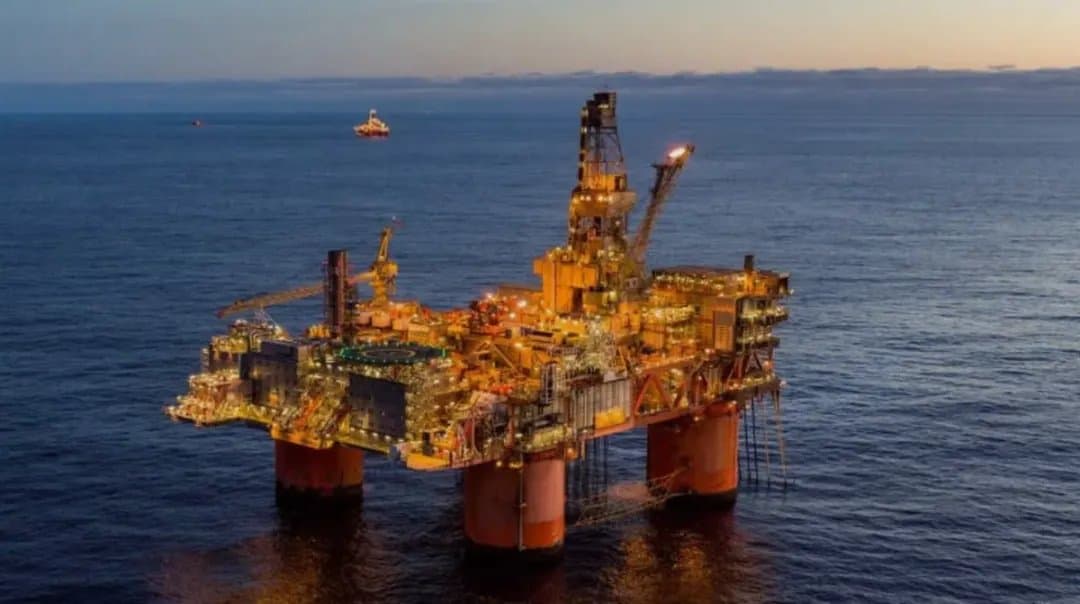
Offshore Energies UK (OEUK) has requested an urgent meeting with UK Prime Minister Andy Burnham to discuss the future of North Sea oil and gas production amid calls for a reset in the country's energy policy. The industry body proposes that visits to operators in Scotland and northeast England would provide the prime minister with direct insights into the challenges faced by workers, engineers, and companies in the offshore sector.
Industry Perspective on North Sea Oil's Role
OEUK emphasizes that oil and gas will remain integral to the UK energy mix for decades, even as renewable energy sources expand and climate targets are pursued. David Whitehouse, OEUK's chief executive, stated that the critical issue is not the continued use of fossil fuels but whether these resources will be produced domestically or imported.
The organization argues that without reform, declining North Sea production could increase the UK’s reliance on imported fuels such as liquefied natural gas (LNG), which may have added environmental costs due to liquefaction and transport processes.
Calls for Regulatory and Fiscal Reform
OEUK urges the government to establish a more competitive and predictable fiscal and regulatory framework to stimulate fresh investment in North Sea projects. The group estimates that reforms could unlock around £50 billion in new investments, including approximately £26 billion in capital expenditure over the next ten years. This investment could generate over £13 billion in additional tax revenue and support thousands of skilled jobs across the offshore energy supply chain.
Stronger domestic production could enable the UK to meet about half of its oil and gas needs until 2050, bolstering energy security and preserving critical engineering skills within the British economy.
The timing of OEUK's appeal coincides with heightened global oil prices, driven by geopolitical tensions and potential supply interruptions. Brent crude oil surpassed $92 per barrel on July 22, reflecting concerns over Middle East conflicts impacting major shipping routes and energy supplies.
Higher oil prices might improve project economics for some North Sea developments but also raise costs for UK consumers and businesses relying on imported energy, reinforcing OEUK’s argument for a resilient domestic production base.
This material is for informational purposes and does not constitute financial advice.