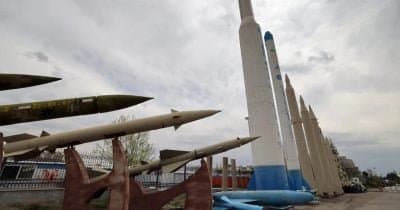
The United Arab Emirates has issued a firm condemnation of recent missile and drone assaults launched by Iran on Bahrain, Kuwait, and Jordan. These attacks target primarily U.S. military installations across these Gulf states and have intensified regional tensions amid the ongoing 2026 Iran conflict. The UAE’s foreign ministry labeled the strikes as clear violations of sovereignty, undermining both security and stability in the Gulf.
The current spike in hostilities follows the breakdown of a ceasefire agreement earlier this month, marking a renewed phase in Iran’s confrontation with allied nations and the United States. Iranian missile attacks have been intercepted by U.S. forces, signaling the conflict’s potential to escalate further.
Regional Implications and Market Signals
Market analyses reflect growing concern, with a predicted 62.5% chance that Iran will engage militarily with another Gulf state by July 22. The UAE’s statement shows rising unease among Gulf Cooperation Council members as Iran targets allied nations to pressure U.S. presence in the region. Observers remain attentive to statements from key figures like Iran’s Supreme Leader Ali Khamenei and UAE President Mohammed bin Zayed Al Nahyan for signs of escalation or attempts at de-escalation.
Upcoming Developments to Watch
The days around July 20 and July 22 will be critical in observing whether military actions intensify or diplomatic efforts begin to reduce tensions. Countries such as Qatar and Oman have potential influence to mediate and possibly alter the conflict’s trajectory. The evolving situation demands close monitoring of any new Iranian operations against Gulf partners, especially those hosting U.S. military assets.