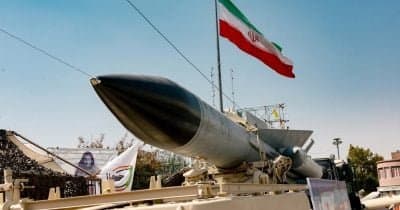
The United Arab Emirates issued a formal condemnation of Iranian missile and drone strikes on Bahrain, Kuwait, and Jordan, labeling the incidents as infringements on national sovereignty. This response came on July 14, 2026, just two days after Iran retaliated following US military actions aimed at Iranian interests.
The strikes mark a critical escalation in Middle Eastern tensions, reflecting a conflict that has been intensifying since February 2026. Notably, the UAE's support for the defensive measures taken by Bahrain, Kuwait, and Jordan indicates a shift in regional dynamics.
In response to the attacks, air defense systems were activated across Bahrain, Kuwait, and Jordan. The outcome so far has resulted in minor injuries primarily from shrapnel, with no confirmed fatalities linked to the strikes. This situation shows the ongoing strain on Gulf air defense networks, which have faced sustained challenges amid escalating hostilities.
Furthermore, the geopolitical implications are significant. Bahrain's strategic hosting of the US Navy’s Fifth Fleet makes any aggression against it particularly concerning. Similarly, Kuwait’s geographical proximity to Iraq adds layers of complexity given the movement of Iranian-aligned militias in the area.
As tensions rise, market analysts are advised to observe traditional energy and commodity sectors due to their vulnerability amid security threats. The Gulf region is key for global oil and gas transport, meaning disruptions could have widespread consequences. Although digital asset markets may not feel the immediate impact of these developments, the broader ramifications for economic stability could reverberate throughout financial systems.
This material is informational and should not be construed as financial advice.