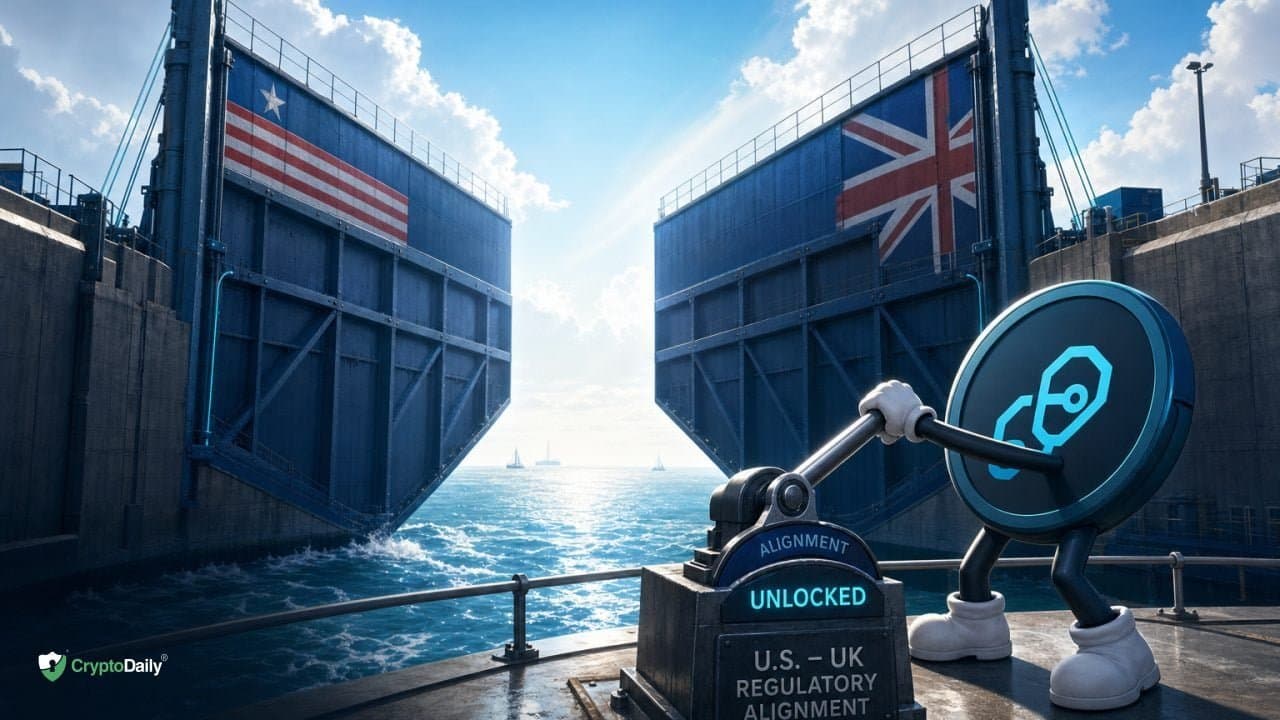
This week marks a significant development for tokenized finance as the U.S. and UK unveil new guidance that emphasizes collaboration rather than restrictions. This shift could facilitate the operation of tokenized bonds, funds, and stablecoin settlements across borders.
Progress in Regulatory Alignment
Recent recommendations from the U.S. Department of the Treasury and HM Treasury indicate a growing consensus on essential regulations governing tokenized activities. The joint efforts aim to enhance cross-border capital raising and supervisory cooperation. A notable 10-point agenda has been established, which both Treasuries have endorsed. Key elements include stablecoins being fully backed by high-quality liquid assets and a timeline for the UK's Financial Conduct Authority (FCA) to introduce crypto permissions by September 2026, with regulations coming into effect in October 2027.
Implications for Market Infrastructure
For cross-border tokenized finance to thrive, both nations must agree on core market infrastructure rules. These rules need to clarify how tokenized securities relate to their underlying assets, determine eligible custodians for backing assets, and establish necessary auditing processes. The specifics of how redemptions will function and how supervisory bodies will share information for cross-border transactions are also crucial. This foundational work may not be glamorous, but it is vital for enabling real issuance and secondary trading in tokenized securities.
To illustrate, consider a scenario where a U.S. asset manager issues a tokenized short-duration bond fund on a permissioned blockchain, allowing UK wealth platforms to participate as approved investors. If both jurisdictions can align on the fundamental regulatory aspects, the process for facilitating such transactions could become straightforward.
This article is for informational purposes only and does not constitute financial advice.