The United States and the United Kingdom have introduced a comprehensive strategy aimed at harmonizing regulations for tokenized financial products. This joint initiative is expected to facilitate smoother transactions between their financial markets, potentially expanding the role of blockchain technology in mainstream finance.
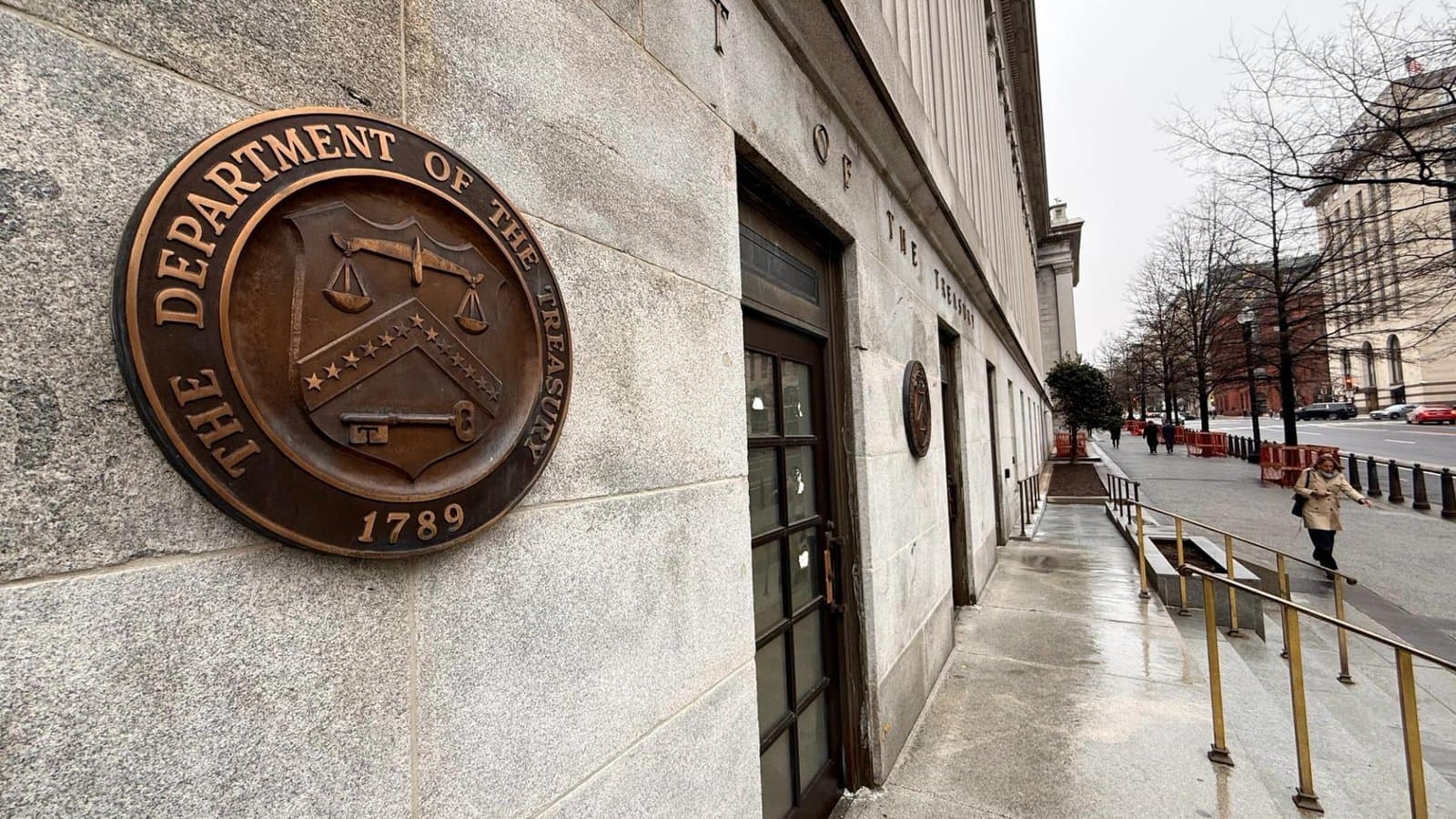
Released by the U.S. Department of the Treasury and HM Treasury, the 10-point roadmap outlines a framework for regulating tokenized assets, stablecoins, and digital financial markets. One significant aim is to streamline the regulatory process for tokenized securities and encourage cross-border capital raising activities.
Key Recommendations
The governments have proposed the establishment of an industry-led working group to assess cross-border tokenization projects. This group will work on coordinating regulations for tokenized securities and supporting the creation of cross-border stablecoins. Furthermore, there is an emphasis on reviewing global banking standards related to cryptoassets and developing policies that can integrate stablecoins and tokenized bank deposits into traditional financial systems.
Regulatory Collaboration
In a joint statement, regulatory bodies, including the SEC, CFTC, FCA, and the Bank of England, expressed their intent to strengthen collaboration. This includes examining common procedures for settling tokenized securities and discussing the potential use of stablecoins in various financial market functions.
Notably, the recommendations do not introduce new regulations but rather outline collaborative efforts that will make existing frameworks more effective. This collaborative approach might pave the way for innovative financial solutions and greater adoption of digital currencies.
Broader Implications
Beyond the digital asset scope, the roadmap calls for improved cooperation in traditional finance, focusing on easing cross-border capital raising and enhancing market data transparency. Regulatory bodies aim to also address derivatives market supervision and international accounting standards, which could further integrate digital assets into established financial practices.
As both nations embark on this regulatory alignment, the implications for investors and industry players could be significant. The increased clarity and cooperation may attract more participants into the market, fostering a more solid environment for digital finance.
This material is informational and is not a financial recommendation.