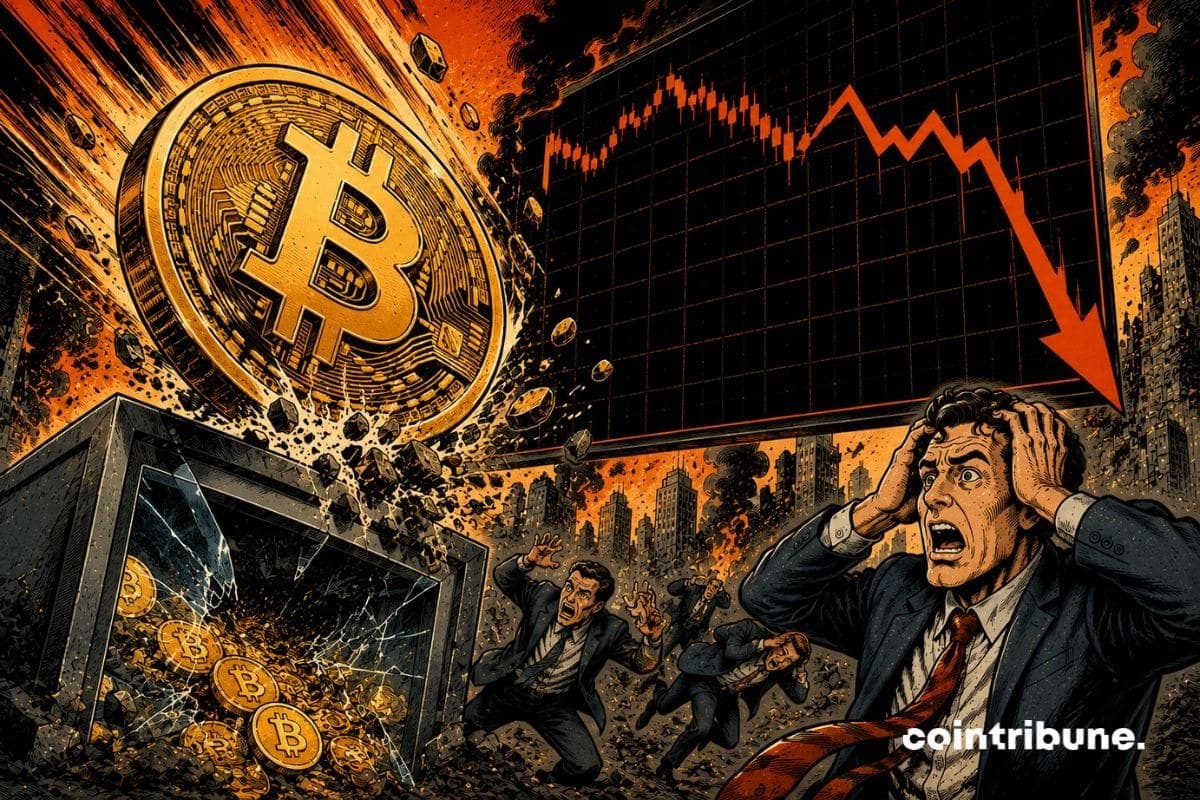
In a significant downturn, Bitcoin ETFs saw net withdrawals of approximately $425 million within a single day, underscoring a troubling trend in the cryptocurrency market. This dramatic outflow on July 13, 2026, marked the worst for Bitcoin ETFs in recent months, as the total withdrawals since January have now surpassed $5.8 billion.
Market Dynamics and Institutional Sentiment
Despite the outflows, the total assets under management for Bitcoin ETFs remain substantial at $74.79 billion. The Fear & Greed Index currently sits at 22, indicating extreme fear among investors. Bitcoin’s price has already fallen by 30% since the beginning of the year, with the critical $50,000 threshold looming ahead as a potential turning point for the asset.
Meanwhile, the growing number of Bitcoin whales raises questions about the market's direction. Are these large holders accumulating more Bitcoin for future gains, or is it a sign of a more severe downturn ahead?
Altcoins Gaining Traction
In contrast to the struggles faced by Bitcoin ETFs, altcoins are experiencing a resurgence. The ETH/BTC ratio has recently improved, signaling a shift in investor interest. According to Tom Lee, this trend may represent a key change, as altcoins like Ethereum have started attracting positive inflows.
This shift is driven by several factors:
- Ethereum ETFs are witnessing inflows while Bitcoin ETFs are not.
- DeFi and AI projects, such as Solana and Chainlink, are gaining attention due to their practical applications.
- The upcoming Ethereum halving in 2027 is reigniting investor optimism for potential appreciation.
Nevertheless, the altcoin rally could be precarious. The market remains closely tied to Bitcoin's performance, meaning any further decline in Bitcoin could adversely affect altcoins. As the space becomes increasingly polarized, investors must weigh their options carefully. Will they retreat to the relative safety of traditional ETFs, or take the plunge into the volatile world of rising altcoins?
This material is for informational purposes only and should not be considered financial advice.