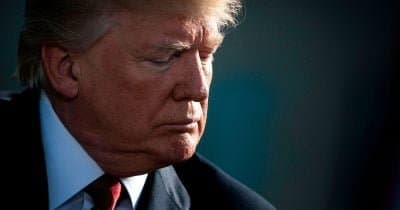
On August 1, President Donald Trump abruptly called off scheduled military strikes on Iran, pointing to an agreement reached with allied nations. This surprising move signals a pause in direct U.S. military action, but Iran’s defense minister made it clear that the country remains vigilant and ready, describing their stance as “neither surprised nor passive.”
The cancellation comes in the middle of a volatile 2026 conflict involving the United States, Iran, and Israel, where several ceasefire attempts have already unraveled. Earlier this year, a two-week ceasefire announced on April 7 collapsed quickly, followed by an initial deal signed on June 17 that also failed to hold. The latest decision to halt strikes appears to offer a glimmer of de-escalation, yet Iran’s ongoing high alert status suggests tensions remain far from resolved.
Market reactions and future risks
Financial markets have responded swiftly to the shifting dynamics. The odds of Iran imposing a full airspace closure by August 31 have plummeted from 43% to 20.5% within a day, reflecting reduced immediate risks. Similar drops are seen for closures anticipated by mid-August and late September. Despite this, the chance of a closure by the end of the year still hovers near 45.5%, showing investors are wary of a potential flare-up later in 2026.
Keeping a close eye on statements from Iranian officials and the Civil Aviation Organization of Iran will be vital in the coming weeks. Any confirmation or denial from the U.S. government on military plans or diplomatic progress could trigger fresh market moves. As August 31 approaches, shifts in negotiation outcomes or military posturing could quickly alter the current delicate balance.