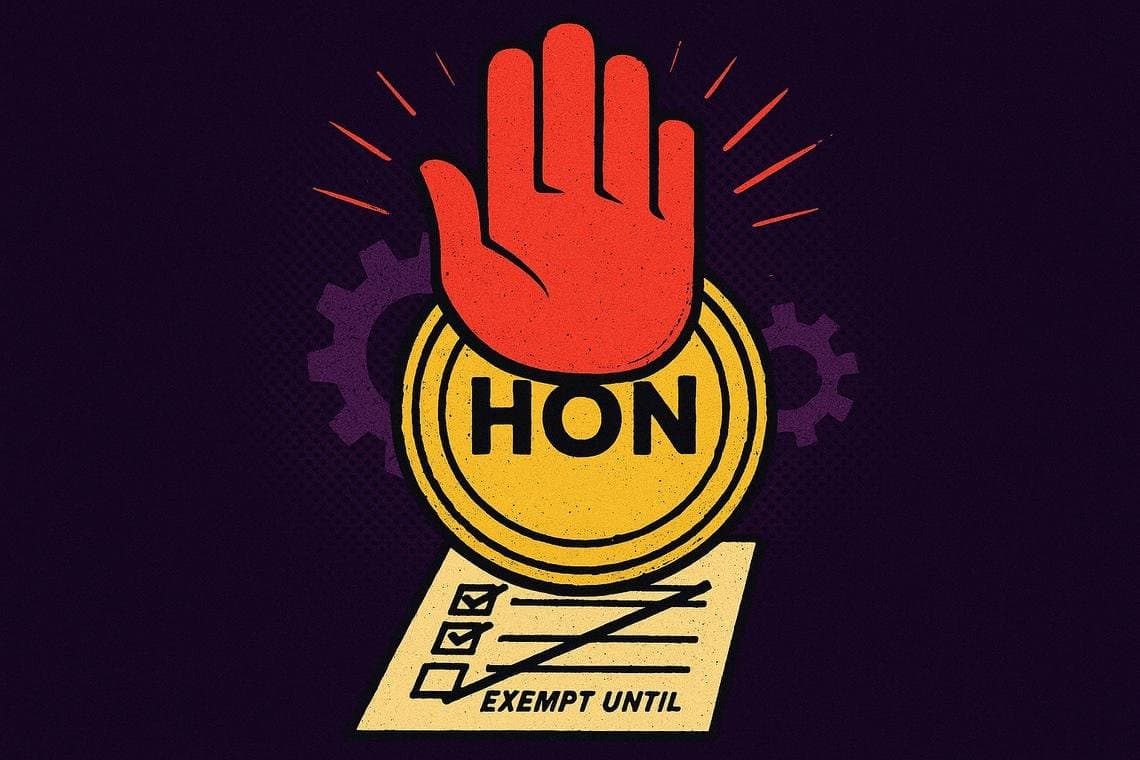
On July 9, 2026, President Donald J. Trump granted a two-year exemption to the chemical manufacturing sector from compliance with the new HON Rule, citing the absence of commercially viable technology as the reason. This proclamation marks a significant move in environmental regulation, as it permits facilities to bypass emissions standards that were established just two years prior.
The HON Rule, officially known as the New Source Performance Standards for the Synthetic Organic Chemical Manufacturing Industry, was finalized by the Environmental Protection Agency (EPA) on May 16, 2024. The rule aimed to set stringent emissions standards for chemical manufacturers under the Clean Air Act's section 112. It covers a critical sector that impacts various industries, including energy production, healthcare, and national defense.
Trump's proclamation shows a notable concern: the necessary technology to meet the HON Rule’s requirements does not currently exist in a practical form. Many of the systems needed for testing and monitoring emissions are either unavailable or have not been demonstrated effectively at the scale required to comply with the new rules.
Details of the Exemption
The exemption allows certain stationary sources, which are listed in Annex I of the proclamation, to remain bound by pre-HON Rule emissions obligations during the two-year period. This decision aims to protect U.S. chemical supply chains and reduce reliance on foreign producers, framing the exemption as essential for national security.
Many facilities in the chemical manufacturing sector rely on processes that produce fundamental inputs for various industries, yet the transition to cleaner technologies has not kept pace with regulatory demands. The proclamation highlights the gap between regulatory expectations and the current technological landscape.
Impact on the Industry
While the HON Rule was designed to enhance air quality and public health, the lack of viable technology for compliance raises questions about the future of environmental regulations in the sector. As the EPA continues to develop standards, the industry will need to find innovative solutions to meet such challenges. The exemption provides temporary relief, yet it also delays necessary advancements in emissions control technology.
This article is for informational purposes only and does not constitute financial advice.