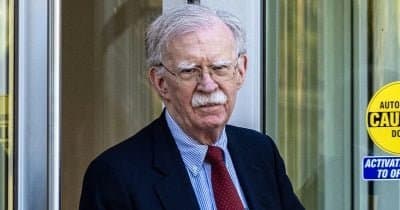
John Bolton, the former National Security Advisor, has expressed doubts about the Iranian regime's capability to engage in meaningful peace discussions. His statement arises amidst the ongoing conflict of 2026 involving the United States and Israel opposing Iran, which escalated following the military action named “Epic Wrath” initiated on February 28, 2026.
Bolton's assertion aligns with his previous stance that substantial regime change is crucial for achieving lasting peace in the region. He emphasized that the Iranian government is currently politically and structurally weak, a sentiment that could resonate with the global community as discussions for a ceasefire continue. Despite these efforts, diplomatic relations between Tehran and Washington remain largely stagnant, complicating any potential resolutions.
Market Reactions to Bolton's Remarks
Following Bolton's comments, market analysts observed a decline in confidence regarding the stability of the Iranian regime. This perception is particularly relevant to the potential return of Reza Pahlavi to Iran, whose entry is presently considered by markets to have only a 6.5% probability by December 31 of this year. This figure has seen little fluctuation despite the surrounding geopolitical strains, indicating skepticism about a significant regime change that might allow for Pahlavi’s return.
Implications for Future Developments
Analysts are paying close attention to shifts in loyalty within the Iranian military, as any defections could hint at a scenario favoring Pahlavi's comeback. Furthermore, diplomatic breakthroughs or shifts in U.S. policy statements regarding Iran could significantly impact market sentiment. In the absence of substantial changes, the likelihood of Pahlavi returning to his homeland by year-end remains low. Continued stalemates in diplomacy or consistent reports of regime stability could further diminish these prospects.
This article is for informational purposes only and does not constitute financial advice.