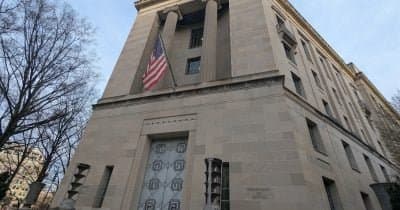
The Trade Fraud Task Force (TFTF) has achieved significant milestones since its inception, recovering over $1 billion related to trade fraud in less than a year of operation. Established by the Department of Justice and the Department of Homeland Security, the initiative aims to combat tariff evasion and trade misclassification.
Milestones and Operations
Formally launched on August 29, 2025, the TFTF has quickly established itself as a crucial player in enforcing trade regulations. By February 2026, the Chicago US Attorney's Office was appointed as the lead prosecutorial partner, centralizing efforts in the region. The first major case, MGI International, concluded in December 2025 with a declination, indicating satisfactory cooperation from the company.
The TFTF focuses on various tactics used by companies to evade tariffs, including the undervaluation of imports, false declarations of origin, and misclassification of goods to sidestep higher duties. This systematic approach is essential as the False Claims Act, which the task force utilizes as its main recovery tool, recorded unprecedented returns surpassing previous figures by a billion dollars in the fiscal year 2025.
Encouraging Whistleblower Participation
Another notable aspect of the TFTF's strategy includes its provision for whistleblower claims under the False Claims Act. Private citizens can file lawsuits on behalf of the government if they possess evidence of fraudulent activities. The task force actively promotes these reports, incentivizing whistleblowers such as employees and competitors to disclose potential tariff evasion schemes.
The introduction of leniency for companies that voluntarily report violations is an additional layer of the TFTF's approach. Corporations that come forward and cooperate in rectifying these discrepancies may avoid severe penalties. The MGI International case exemplifies this, as the declination suggests the agency found the company's cooperation sufficiently compelling.
This article is for informational purposes only and does not constitute financial advice.