The stablecoin sector has witnessed a significant downturn, losing approximately $10 billion since reaching a peak in May 2026. The current market capitalization now stands at about $312 billion, down from its previous high. June 2026 marked the most substantial monthly decline in dollar terms since the collapse of TerraUSD in May 2022, with a drop of $7.7 billion.
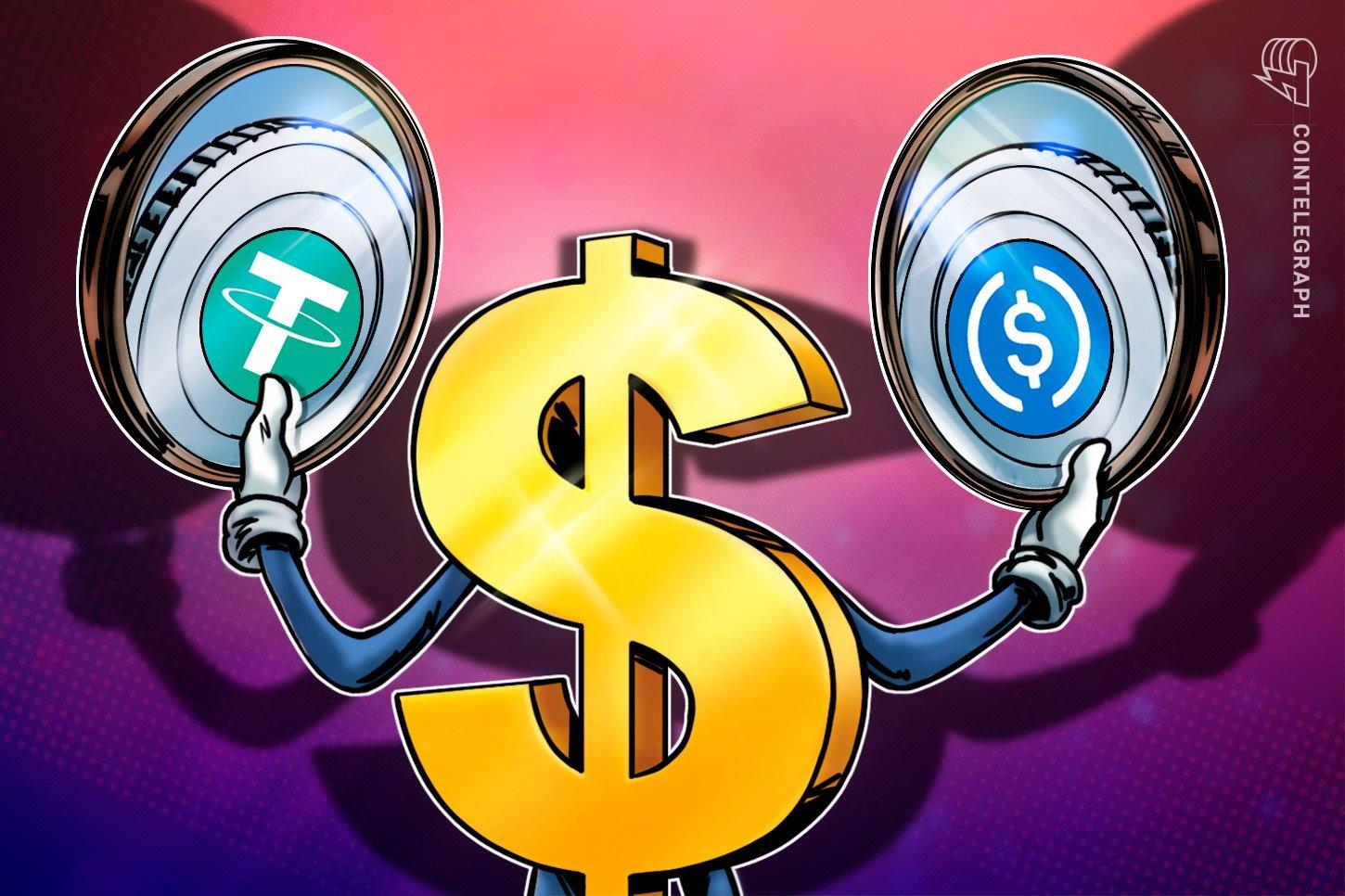
Tether's USDT, which accounts for nearly 59% of the total stablecoin supply, decreased from around $190 billion to approximately $184 billion. Similarly, Circle's USDC fell from nearly $80 billion to around $73 billion during the same period. This decline highlights the challenges faced by these two dominant players in the market.
Transaction Volume Remains Robust
Despite the reduction in supply, transaction volumes for stablecoins have reached new heights. In June, the adjusted transaction volume hit a record $1.78 trillion, with USDC processing approximately $1.21 trillion and USDT handling $573 billion. This indicates that, even with a shrinking supply, the demand for stablecoins remains strong.
Market Outlook
Analysts are not expressing significant concern regarding the recent downturn. Paul Howard, a senior director at Wincent, characterized this drop as a minor pullback within a generally positive long-term growth trajectory for the market. He noted that the current 3% decline is considerably less severe than the 26% drop experienced during the 2022 bear market, which followed multiple high-profile failures.
The recent declines have occurred during a broader period of weakness in the cryptocurrency market. U.S. spot Bitcoin ETFs reported over $4 billion in outflows in June, marking the worst monthly performance since their inception. This suggests a simultaneous decrease in both institutional and on-chain demand for cryptocurrency assets.
As new entrants like Global Dollar from Paxos enter the stablecoin market, competition may play a role in market dynamics moving forward. The stablecoin market, while currently facing challenges, demonstrates resilience through its transaction volume and continued interest from users.
This material is for informational purposes only and should not be considered financial advice.