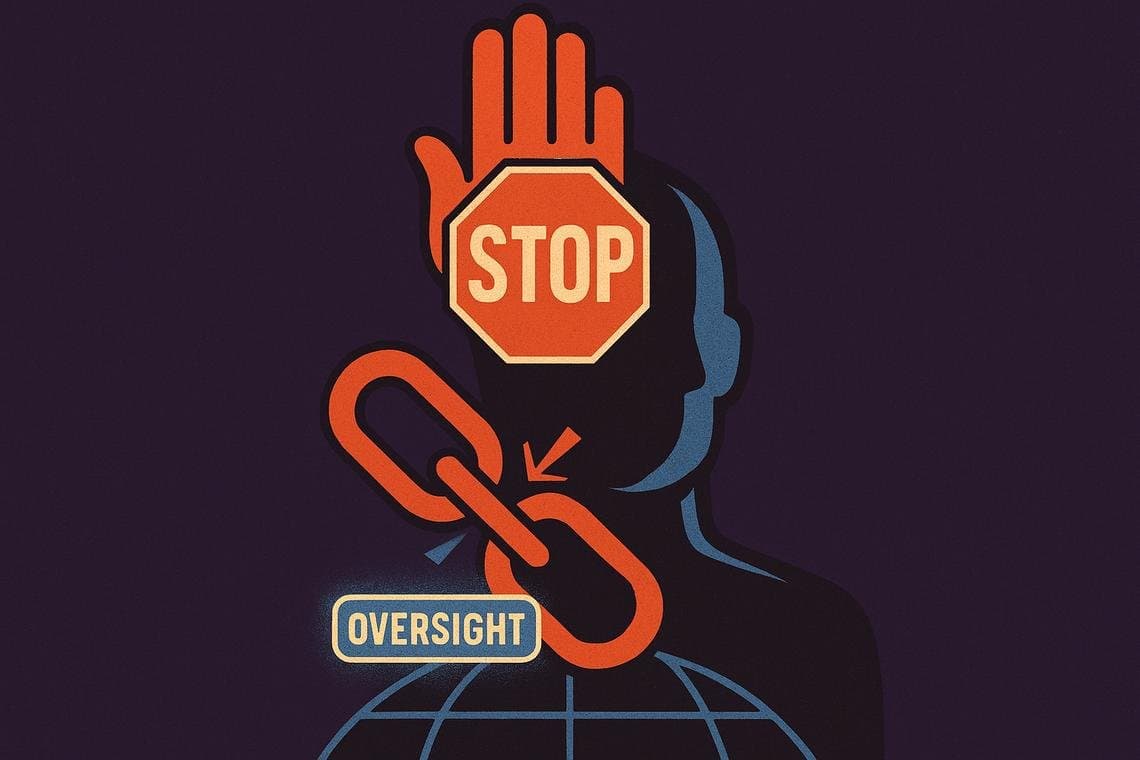
Citizens across seven diverse countries want governments to regulate artificial intelligence with an emphasis on safety rather than rapid innovation. Researchers Magnus Lundgren and Jonas Tallberg conducted a conjoint survey experiment showing that publics prefer strong public oversight and international cooperation over private sector self-regulation or national-only rules.
Public Opinions on AI Regulation
The study found a broad consensus: ordinary people strongly want AI to be regulated, not left unchecked. Specifically, when asked to choose, most respondents prioritized safety concerns ahead of innovation potential. This preference was even more pronounced among those who view AI as risky or unpredictable, or who believe it will personally impact their lives.
plus the public expressed a clear desire for governance frameworks to be led by public institutions and aligned internationally rather than relying on industry self-regulation or fragmented national strategies.
Mismatch Between Policymakers and Public Preferences
Lundgren and Tallberg highlighted a systematic misalignment between how governments and industries currently approach AI regulation and what citizens actually want. Policymakers face difficult tradeoffs: balancing innovation incentives with safety protections, and deciding which actors should lead governance.
Yet much of the present regulation, voluntary guidelines, and international discussions occur without a clear understanding of public priorities, which heavily favor safety and public oversight.
The Study’s Scope and Implications
The experiment covered seven countries with varied political and economic backgrounds, ensuring the results are broadly relevant rather than limited to a single culture or political context. This makes the findings significant for global AI policy debates.
The pressure to regulate AI safely is growing. As AI reshapes societies and economies rapidly, governance models need to catch up with citizen expectations. This study suggests the public expects governments to take a leading role in crafting regulations that prioritize safety and international collaboration.
Material is informational and not financial advice.