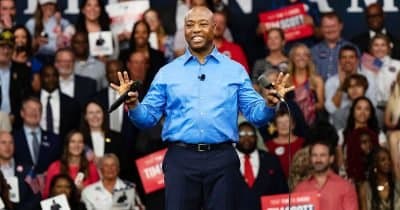
Senator Rick Scott has openly doubted the effectiveness of the upcoming US-Iran diplomatic discussions, emphasizing the need to stay militarily prepared. His skepticism comes amid fresh military confrontations that have left American service members dead, underscoring the fragile state of US-Iran relations.
The tensions trace back to Tehran’s nuclear ambitions and its foothold across the region, where every diplomatic move seems shadowed by the threat of military escalation. Scott’s warning highlights a strategy that doesn’t rely solely on talks but heavily weighs deterrence through force.
Diplomacy in a Landscape of Uncertainty
Markets are already pricing in doubts about whether talks will even happen, especially concerning the proposed meeting in the UAE. Geopolitical volatility feeds this uncertainty, mirrored in fluctuating asset prices sensitive to Middle East risks.
Observers now watch for statements from US President Donald Trump and Iranian Foreign Minister Seyed Abbas Araghchi. Any official word on meeting logistics or a shift in tone could reshape expectations swiftly. Meanwhile, military actions or persistent stalemates continue to cloud the path forward.
This atmosphere recalls the broader regional dynamics that have recently pulled Trump toward diplomacy despite ongoing conflict. The balance of political will and military posturing remains delicate, and Scott’s remarks inject a dose of realism about the hurdles ahead.
This material is informational and not financial advice.