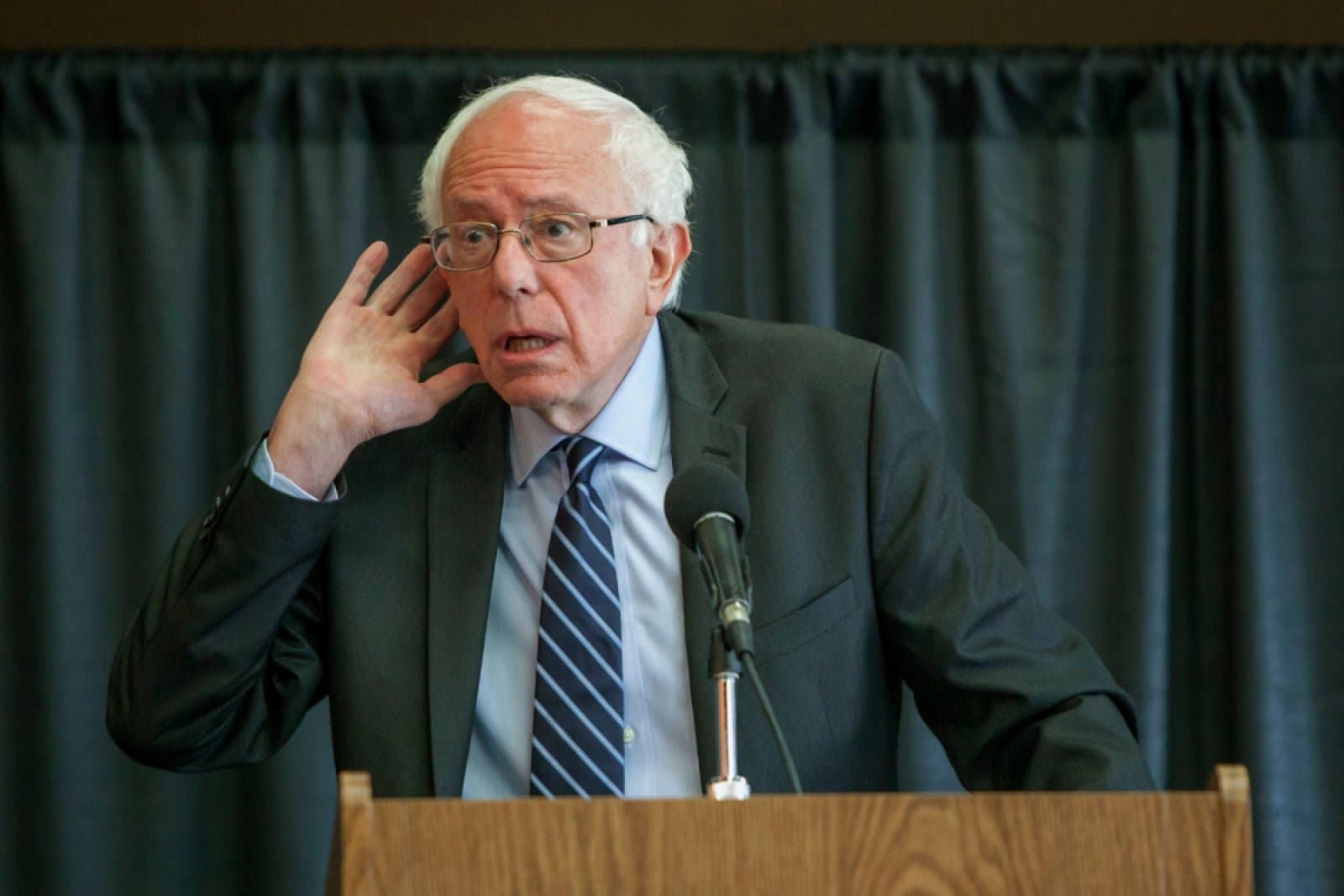
Senator Bernie Sanders renewed his opposition to the cryptocurrency sector during a campaign event in Minneapolis supporting Minnesota Lieutenant Governor Peggy Flanagan's Senate run, emphasizing a challenge against powerful industry groups.
Speaking at the event, Sanders declared intentions to confront crypto, the artificial intelligence industry, AIPAC, and billionaire-backed political action committees (PACs) to support Flanagan's election to the United States Senate. He also highlighted these industries' outsized influence in Washington.
Longstanding Criticism of Cryptocurrency
Sanders has maintained a critical stance on digital assets for years, arguing that cryptocurrency policies tend to benefit wealthy insiders while exposing typical investors to significant risks. His concerns intensified during congressional discussions on crypto legislation.
In 2025, Sanders opposed the Republican-supported GENIUS Act, a law focused on stablecoins that ultimately passed in 2025. His remarks align with those of Senator Elizabeth Warren, a fellow progressive Democrat known for her strong objections to crypto lobbying efforts.
Warren has specifically censured the presence of "dark money groups" spending heavily in elections, naming cryptocurrency and AI industries among the primary sources of such external political financing. She has repeatedly criticized what she calls "industry-written" crypto laws that favor special interests.
Growth of Crypto-Backed Political Action Committees
The criticism from Sanders and Warren comes amid increased political spending by cryptocurrency-affiliated groups. These organizations have become significant financial contributors in recent U.S. election cycles.
The super PAC Fairshake, along with its affiliates Protect Progress and Defend American Jobs, are the most prominent political networks backed by crypto interests. During the 2024 elections, these PACs invested heavily in congressional campaigns.
Major industry players such as Coinbase, Ripple Labs, and venture capital firm Andreessen Horowitz have contributed substantial funds to these groups. Proponents argue that such investments help elect lawmakers familiar with crypto issues who promote clearer regulatory frameworks.
This article does not constitute financial advice.