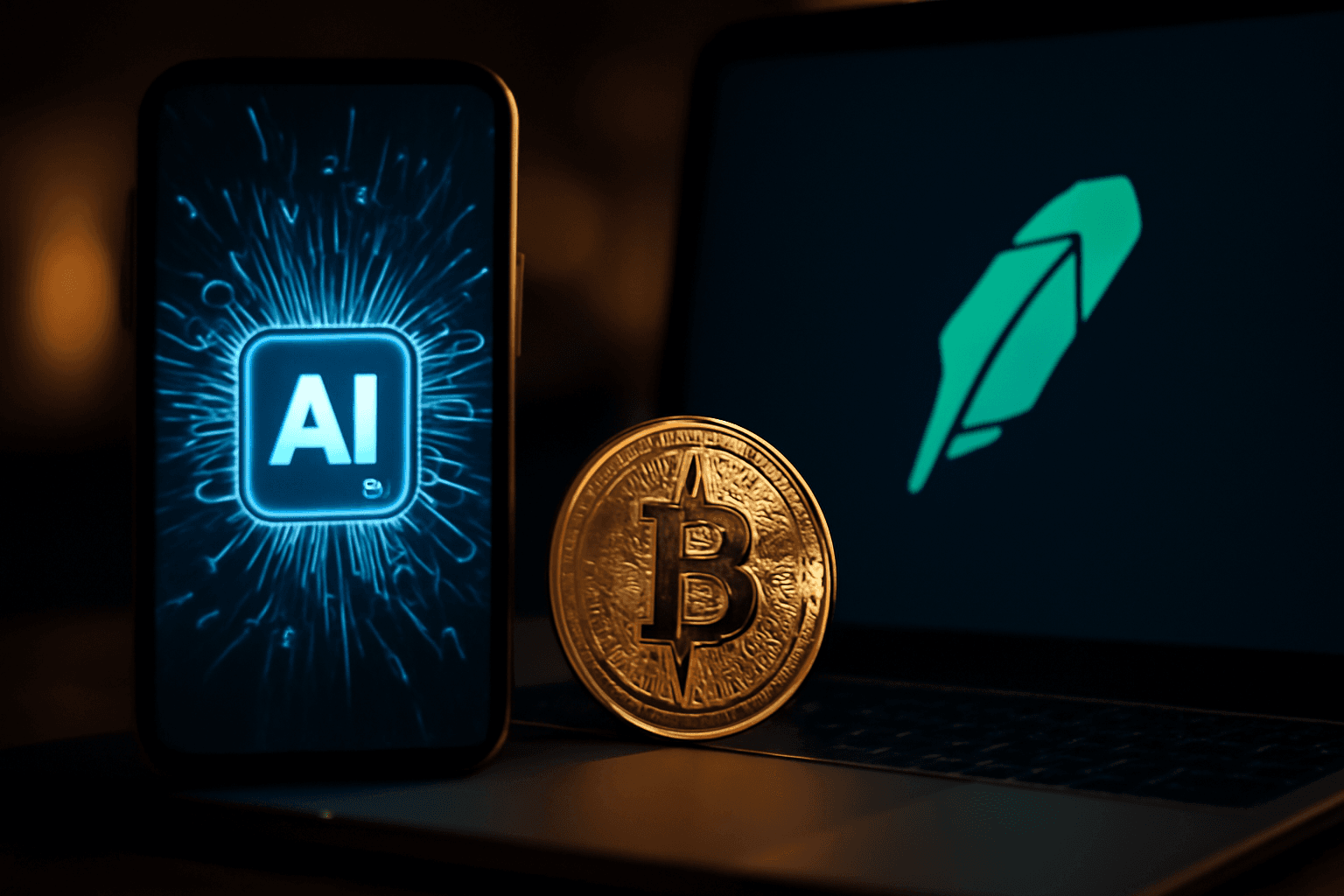
Robinhood’s attempt to block U.S. investors from trading tokenized Nvidia and Tesla shares on its new blockchain is facing a serious challenge. AI-driven agents and third-party wallets can circumvent the geo-blocks embedded in Robinhood’s app, allowing U.S. users access despite restrictions designed to comply with securities laws.
Open Network Meets Restrictive Front Ends
Launched on July 1, Robinhood Chain runs on Arbitrum’s Nitro stack and supports 24/7 trading of tokenized real-world assets. These Stock Tokens mimic equities but do not grant shareholder rights. Robinhood blocks U.S. persons from trading these tokens through its own app to comply with regulations, but the underlying blockchain and smart contracts remain permissionless and accessible via external wallets.
The problem arises because Robinhood controls transaction order through a centralized sequencer but cannot enforce access restrictions on the open network itself. Trust Wallet, among other third-party wallets, now connects directly to Robinhood Chain, bypassing the app’s frontend blocks. MinChi Park, co-founder of Coinfello, warns that such front-end geo-blocking is ineffective compliance and mainly serves as a legal shield for issuers rather than real protection for users.
Fragmented Enforcement Across Robinhood Products
This split in enforcement is visible within Robinhood’s own offerings. While Stock Tokens remain blocked for U.S. users, the Morpho-powered Earn product, which delivers roughly 7% APY on USDG stablecoins on the same chain, is already available to eligible U.S. customers. This inconsistency highlights the limits of regulatory compliance when open blockchain networks intersect with restrictive financial products.
The rise of AI agents routing around these restrictions shows the challenge of policing decentralized networks with traditional controls. As more crypto wallets and AI tools gain smooth access to permissionless chains, companies like Robinhood must rethink how they secure and enforce compliance without undermining the network’s openness.
This information is provided for educational purposes and does not constitute financial advice.