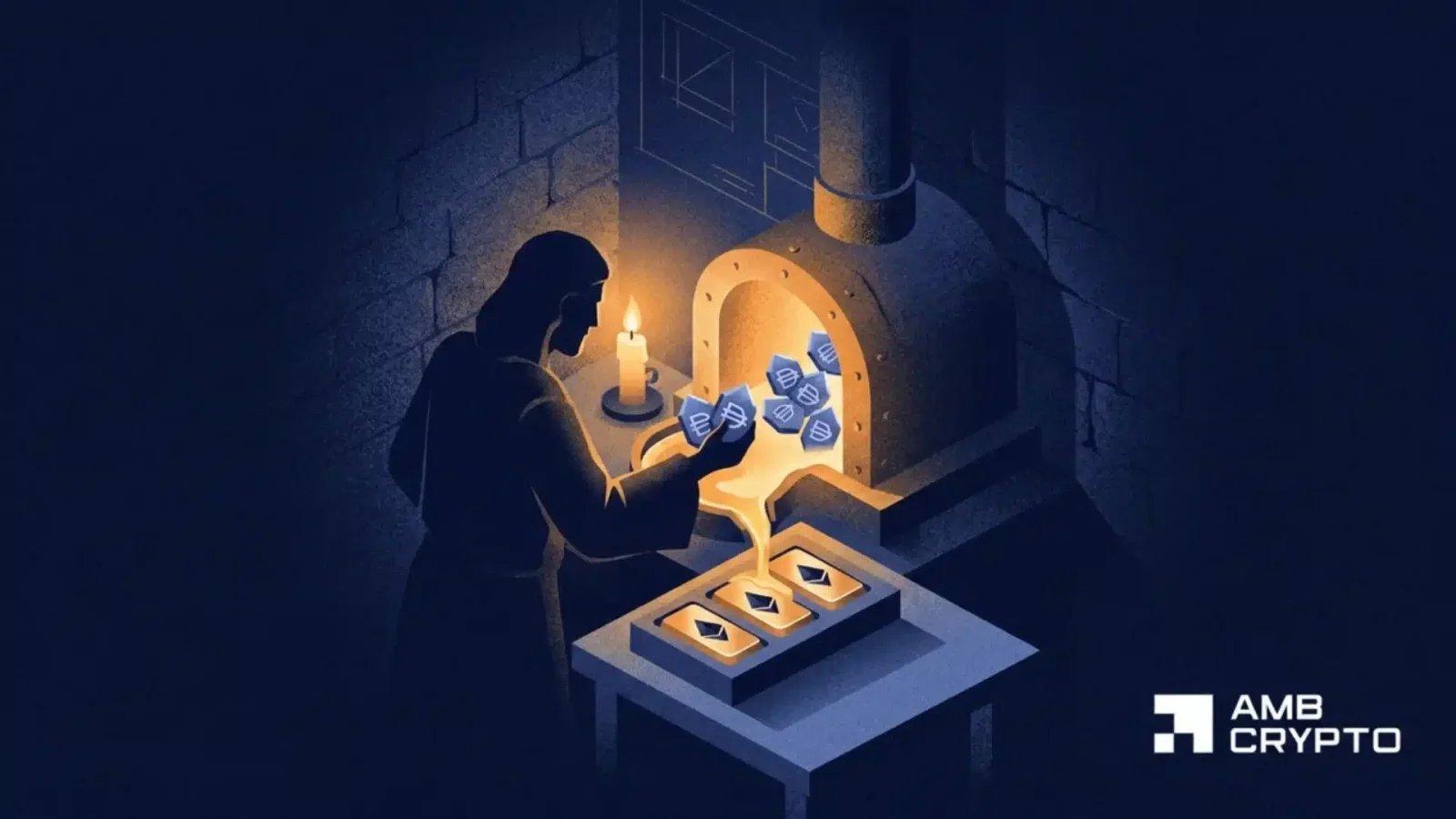
The future of cryptocurrency may be significantly influenced by real-world assets (RWAs), according to Vlad Tenev, CEO of Robinhood. Tenev articulated his belief that as institutional capital increasingly targets tokenized assets, RWAs could spearhead the next wave of growth in the crypto market.
Historically, the cryptocurrency landscape has been dominated by Bitcoin and Ethereum, along with various memecoins. However, Tenev suggests that focusing on RWAs might shift market dynamics, enhancing the appeal of RWA tokens among investors.
Market Implications of Real-World Assets
In his recent statements, Tenev underscored the notion that investment in RWAs could lead to enhanced stability and legitimacy within the crypto space. With a growing interest from institutions, the transition towards tokenization of physical assets appears imminent.
- RWAs can include a spectrum of physical goods, such as real estate and commodities, which are being converted into digital tokens.
- This shift could create opportunities for broader investment access and liquidity for these previously illiquid assets.
The potential migration toward RWAs raises questions about their role in the cryptocurrency market and whether they might emerge as major contenders alongside traditional cryptocurrencies. Analysts are keen to observe how these trends will evolve with the growing enthusiasm from both retail and institutional investors.
Related Trends in Cryptocurrency
The advent of RWAs follows patterns of increased private interest in assets like XRP, as noted in studies such as Speculation on XRP Price Trading Higher on Private Platforms. Additionally, Ethereum's fluctuating market activity continues to attract significant attention, reinforcing the robustness and adaptability of the broader crypto ecosystem.
As RWAs become more integrated into the cryptocurrency framework, Tenev's insights may shape the future investment strategies of many, potentially redefining asset ownership in the digital age.