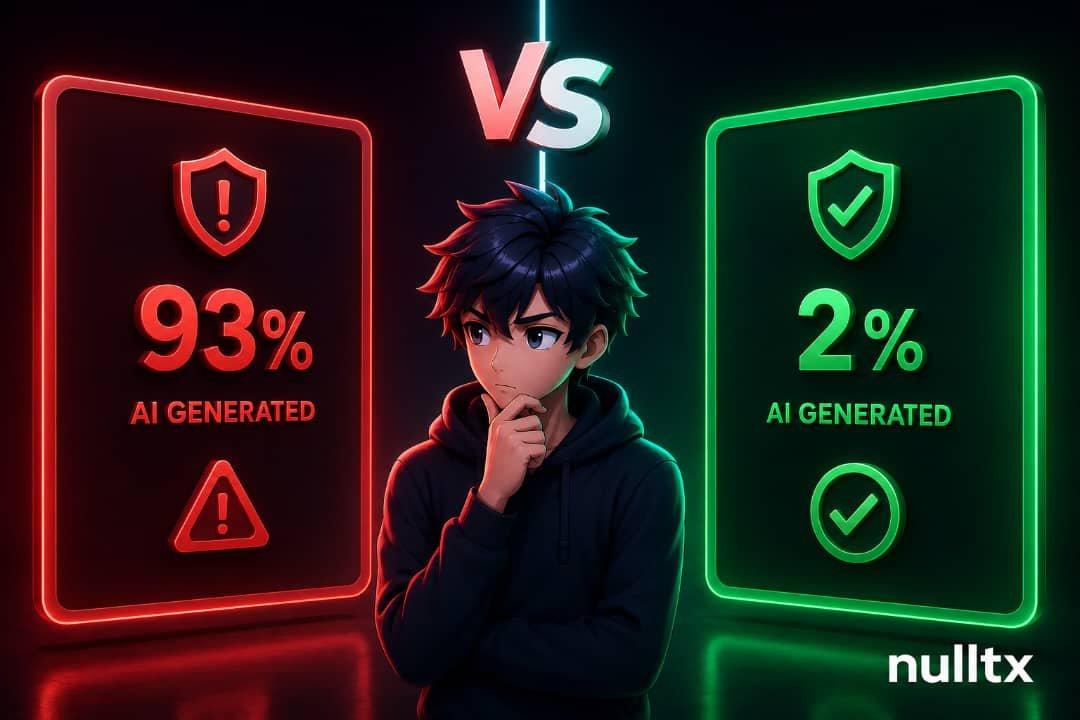
Recent insights reveal significant flaws in AI detection tools, suggesting that high-quality writing may be erroneously flagged as machine-generated. Writers with a focus on clarity and precision are particularly vulnerable to misclassification due to the nature of these tools.
The Flaws of AI Detectors
Research conducted in 2023 demonstrated that notable historical documents, including the United States Constitution, were misidentified as AI-generated text by detectors such as GPTZero. This misclassification, recognized by its creator Edward Tian, occurs because the language used in these documents appears frequently in training data, leading models to reproduce it verbatim rather than identify original human writing.
Characteristics of Misclassified Writing
The underlying issue relates to a concept known as perplexity, which measures predictability in text. Writing that adheres to predictable formats, such as legal or academic prose, often resembles machine-generated content. Consequently, smoother and more polished writing is more likely to be penalized, contradicting the aim of these detection tools.
Disparate Impact on Non-Native Writers
A study from Stanford indicated an alarming trend where non-native English speakers faced higher rates of misclassification compared to their native counterparts. This raises serious concerns regarding fairness, as the AI detection tools tend to misinterpret disciplined writing styles, penalizing those who may write with increased precision.
Real World Implications
The potential consequences of these false positives extend beyond academic circles, severely impacting freelance writers. Issues arise when freelance opportunities are at stake, as misclassification can cost jobs and income, hindering the careers of diligent writers.