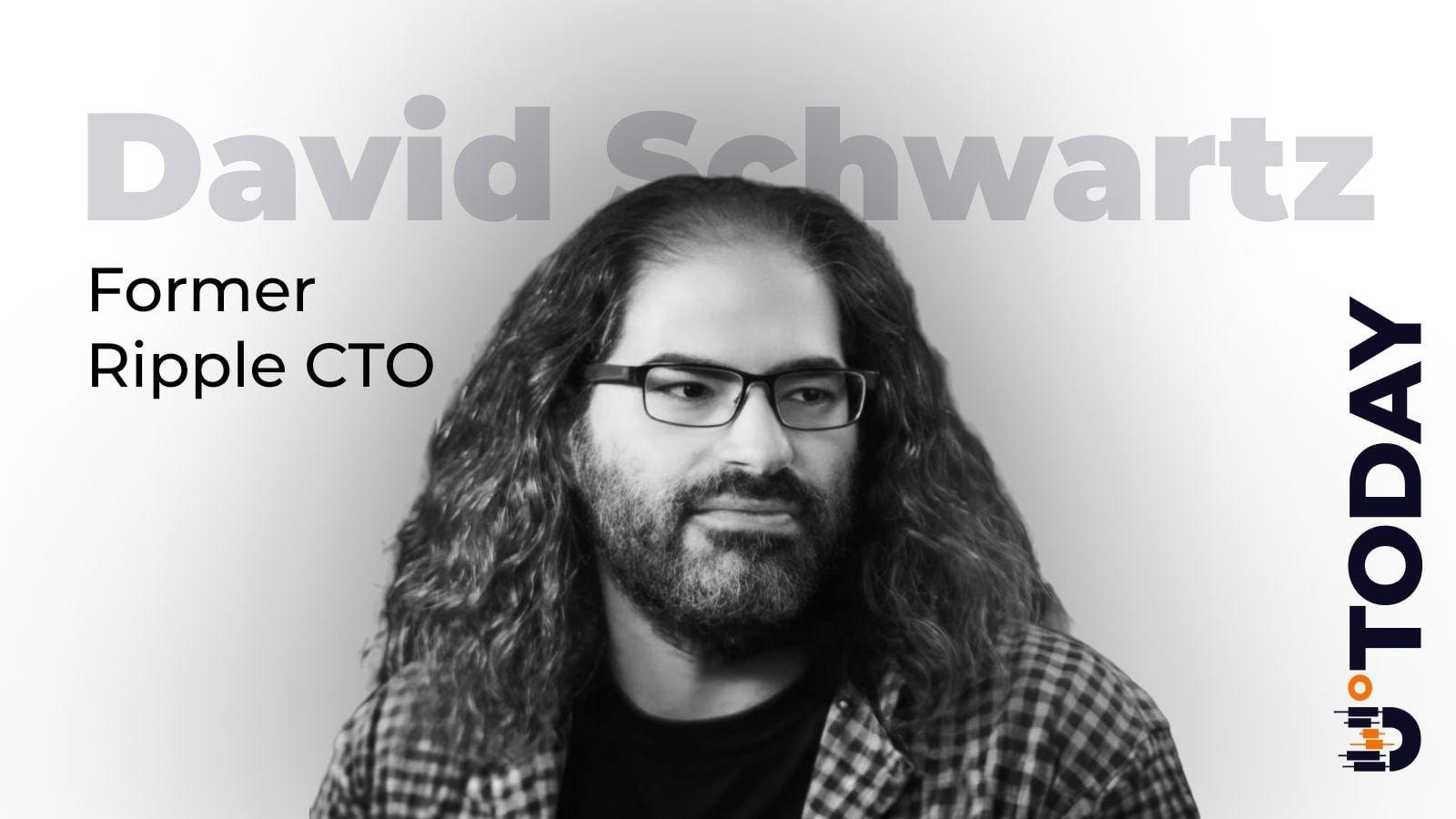
David Schwartz, former CTO of Ripple, has labeled the recent $20 million BonkDAO incident as an example of corporate fraud. His comments arise from a controversial voting process that allowed a detrimental manipulation of funds under the veil of decentralized governance.
Understanding the Governance Vote Issue
Schwartz asserts that despite the vote being conducted through official channels, participants remain susceptible to both civil and criminal liabilities. The unique structure of this incident stems from a proposal executed on the Realms platform that allowed the hollowing out of the treasury.
Key Details of the BonkDAO Exploit
- A total of $20 million was implicated in the governance vote.
- 4.42 trillion BONK tokens were lost, not due to hacking, but through the voting mechanism.
- Only seven out of 18,500 eligible wallets contributed to the voting.
- A single wallet controlled 99.9% of the vote after strategically leveraging token deposits prior to the vote.
Bypassing traditional security measures, the manipulator utilized a token-weighted voting mechanism to gain access to a sizeable portion of the treasury without violating smart contract rules. Schwartz strongly argues that this incident serves as a cautionary tale about the vulnerabilities associated with decentralized governance.
Legal Perspectives and Future Implications
Schwartz emphasized that claims of legitimacy based on procedural compliance do not absolve participants from legal repercussions. He pointed out that the nature of DAO operations lacks formal registration with governing bodies, further complicating the legality of such actions.
As the crypto landscape continues to evolve, incidents like BonkDAO's exploit illustrate the pressing need for clearer regulations and protections within decentralized finance frameworks. Stakeholders in the industry must be vigilant and critical of governance practices to prevent future abuses.
Next Steps and Considerations
Looking ahead, industry experts will be closely monitoring any reactions from regulatory bodies regarding incidents like the BonkDAO exploit. The discussion surrounding the legal responsibilities of decentralized organization participants is likely to gain importance in upcoming months.
This article is for informational purposes only and does not constitute financial advice.