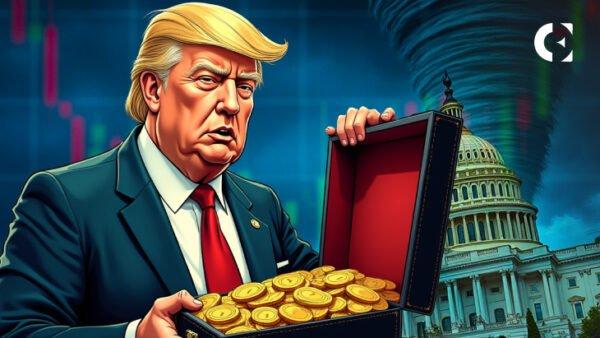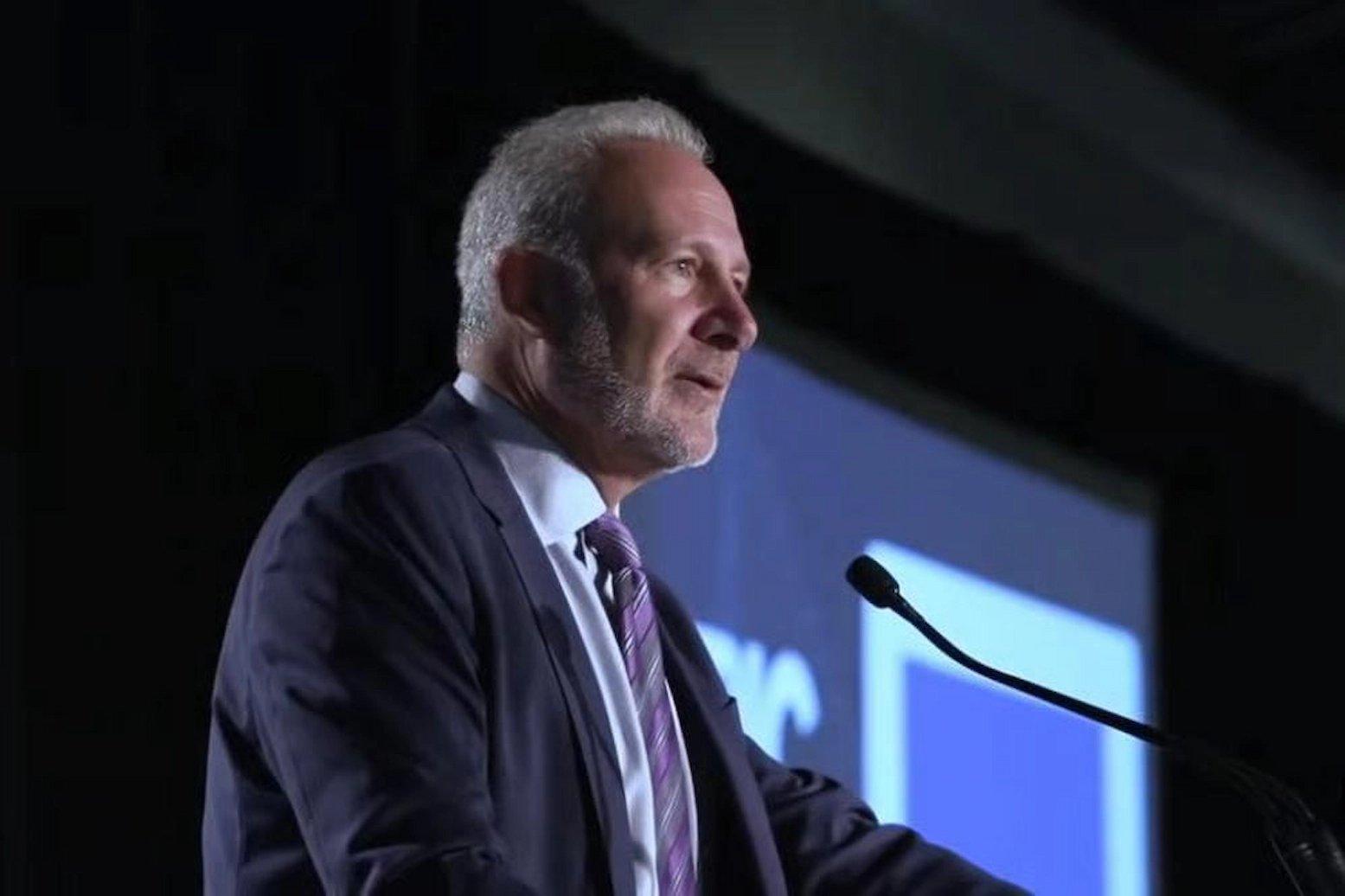
On July 7, prominent economist Peter Schiff criticized President Donald Trump’s cryptocurrency donors, suggesting that a recent statement about the potential inclusion of Bitcoin (BTC) in the Trump Accounts was more about rewarding financial backers than actual policy change.
In a social media post, Schiff implied that Trump’s comments about being a 'big crypto guy' were influenced by major crypto industry supporters seeking political favors. He remarked, 'Trump’s crypto donors likely called in a favor to get Trump to tease the possibility of allowing Trump accounts to buy Bitcoin.'
Significance of the Critique
This critique highlights a broader concern regarding the intersection of politics and cryptocurrency funding. Many influential entities in the crypto space, such as Elon Musk, Ripple Labs, and Coinbase Global Inc., have financially backed Trump’s initiatives through super PACs. Schiff's remarks suggest that such affiliations can compromise policy integrity.
- Trump claims to have more than $1 billion in crypto-related income.
- Recent job reports indicated 514,000 full-time job losses.
- Bitcoin’s trading price was reported around $63,300 at the time of Schiff's commentary.
Following Trump’s proclamation about his crypto interests, Schiff called for the President to disassociate the initiative for children’s savings accounts from Bitcoin entirely. Schiff has been openly skeptical of Bitcoin, raising concerns over recent market fluctuations and criticizing Michael Saylor’s model regarding BTC sales, which he believes could drive further market downturns.
Future Implications and Developments
The situation raises questions about the potential implications of Trump’s political ties with cryptocurrency donors. Observers are keen to see how this relationship may evolve, particularly as the crypto market navigates regulatory challenges and ongoing volatility.
Trump’s connection with significant crypto contributors might influence policy decisions surrounding financial regulations in the digital asset space. Pressures from these industry backers could result in changes that may not align with broader economic interests.
This material is informational and does not constitute financial advice.