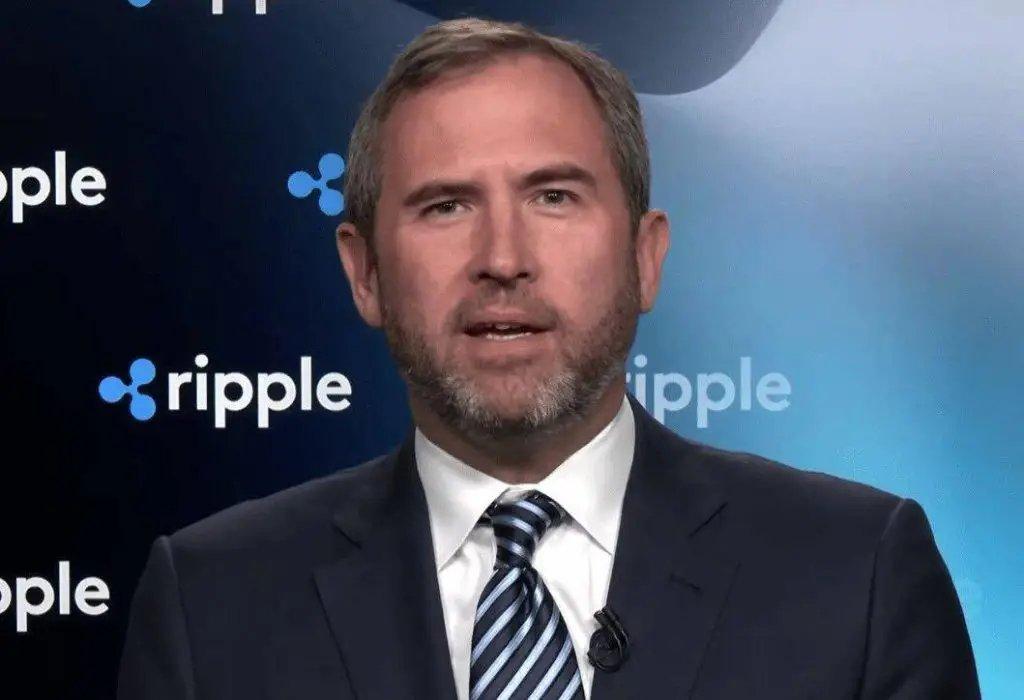
Ripple's CEO, Brad Garlinghouse, disclosed that the company faced the possibility of shutting down following the SEC's lawsuit filed in 2020. During a recent event at the KU School of Business, he detailed the profound impact the legal challenge had on Ripple's operations.
Garlinghouse emphasized that the lawsuit posed significant difficulties for Ripple, as the SEC possesses substantial resources and authority. This made the decision on how to respond to the lawsuit particularly challenging for the company.
Among the options considered was the distribution of Ripple's XRP holdings to its shareholders, effectively signaling an end to its operations. However, management recognized that this path would likely result in job losses for hundreds of employees. Instead, Ripple opted to engage in a lengthy legal battle to address the SEC's claims, indicating a commitment to continue its business.
The SEC's lawsuit, filed in December 2020, accused Ripple and its executives of conducting an unregistered securities offering through the sale of XRP. This case has sparked widespread discussion about the regulatory landscape for cryptocurrencies.
Ripple's Legal Strategy
In response to the allegations, Ripple's leadership is determined to defend its position in court. The company's decision to pursue litigation reflects a resolve to challenge the SEC's assertions and clarify the status of XRP within the evolving regulatory framework.
Industry Implications
The outcome of Ripple's legal proceedings could have significant implications for the broader cryptocurrency market. As regulatory scrutiny increases, other companies may closely observe Ripple's strategy and the resulting legal precedents.
This material is for informational purposes only and is not financial advice.