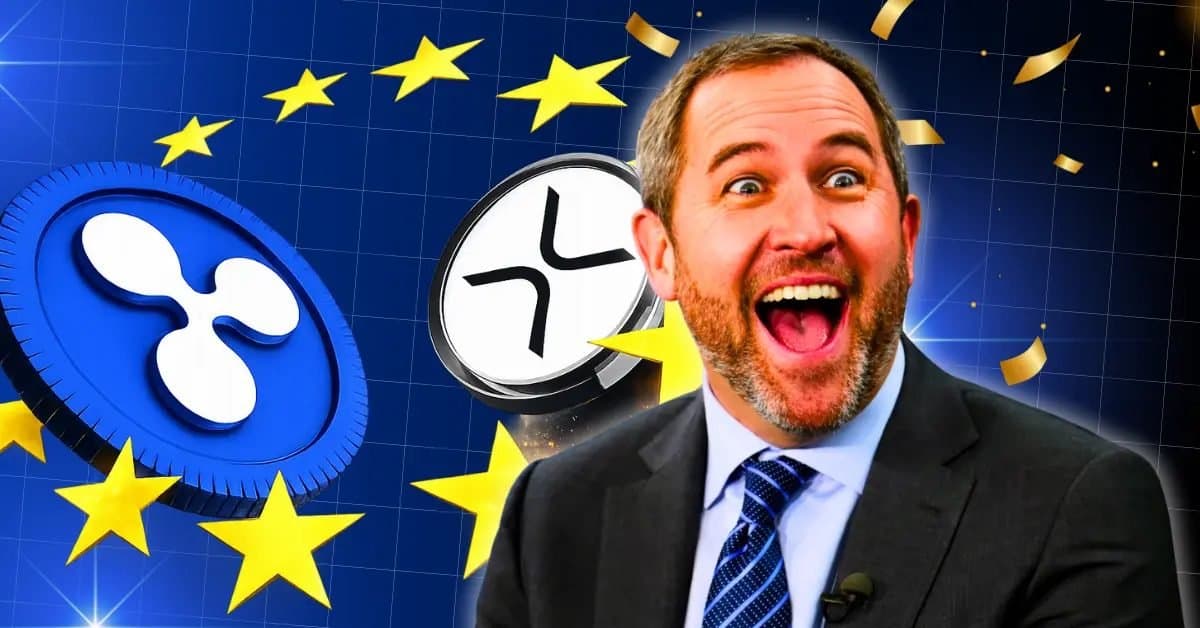
Brad Garlinghouse, CEO of Ripple, has stated that his company possesses a significant amount of XRP and is committed to its future. However, he emphasized clear limitations regarding control over the digital asset. During a recent talk at the KU School of Business, Garlinghouse elaborated on the ongoing regulatory scrutiny involving XRP and Ripple's position.
Ripple's Investment and Position on XRP
Garlinghouse's remarks underline the company's deep investment in XRP, both financially and strategically. He reiterated that Ripple has a vested interest in ensuring the success and long-term sustainability of the token but clarified that the regulatory landscape complicates direct control over it. Previously, the U.S. Securities and Exchange Commission (SEC) had accused Ripple of treating XRP as a security, a claim Garlinghouse contests vigorously.
Implications of Regulatory Scrutiny
The ongoing SEC case has raised questions not only about Ripple's operational strategy but also about the broader implications for the cryptocurrency market. Garlinghouse speculated that the resolution of the SEC case could set precedents affecting various digital assets. This potential outcome is drawing attention, especially as recent articles highlight XRP's resurgence in reputation following criticism.
Garlinghouse's insistence on Ripple’s lack of control over XRP illustrates the complexities that companies face within an evolving regulatory environment. The uncertainty around XRP’s classification continues to create caution among investors and partners alike.
Future Outlook for Ripple and XRP
As Ripple navigates these challenges, Garlinghouse remains optimistic about the future of XRP. He believes that clarity from regulators could encourage more robust engagement and growth in the cryptocurrency market. The outcomes of regulatory assessments will significantly shape how Ripple operates and positions itself moving forward.
This material is for informational purposes only and not financial advice.