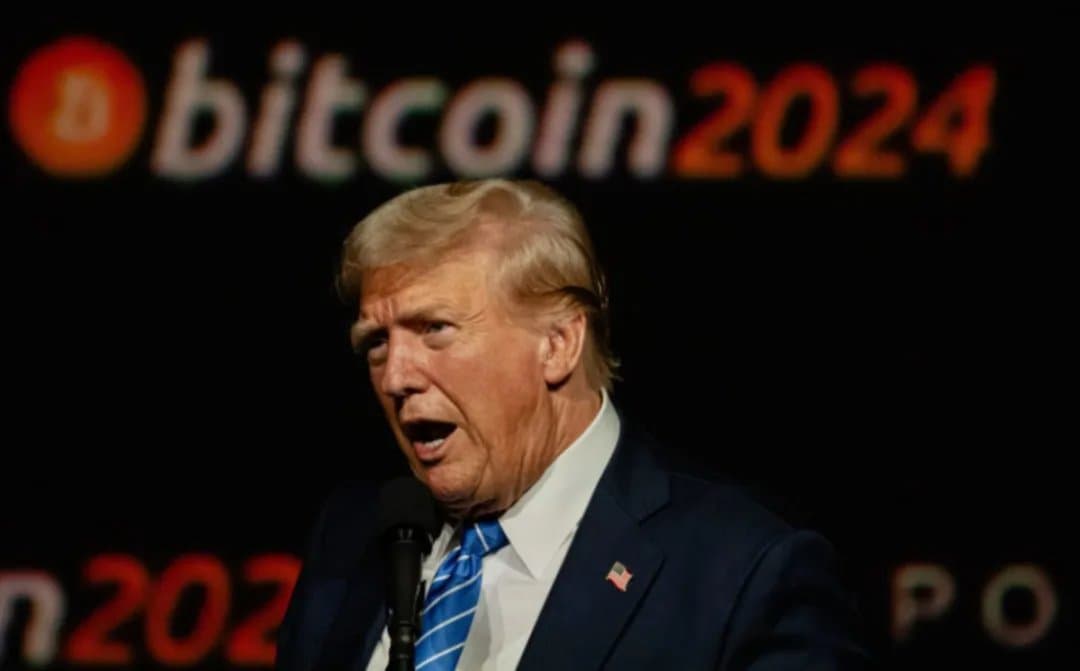
Former President Donald Trump has called on the Senate to pass the CLARITY Act, emphasizing its significance in the context of U.S. competition with China and advancements in artificial intelligence. This statement came following the death of Senator Lindsey Graham, a key supporter of the bill, which aims to establish a regulatory framework for digital asset markets.
In a post on Truth Social, Trump stated, “In honor of Senator Lindsey Graham, the U.S. Senate should pass the CLARITY Act.” He further expressed concerns about foreign nations, particularly China, attempting to dominate the financial and technological landscapes, urging, “Don’t let China win on either subject!”
Details of the CLARITY Act
The CLARITY Act is under scrutiny in Congress, as it seeks to delineate responsibilities between the Securities and Exchange Commission (SEC) and the Commodity Futures Trading Commission (CFTC). While the SEC would maintain oversight over initial coin offerings, the CFTC would regulate secondary market trading of digital commodities like Bitcoin and Ethereum. Additionally, the bill proposes consumer protection measures, registration, and disclosure requirements for crypto companies.
Senate Dynamics and Challenges
Despite its potential, the bill faces significant hurdles in the Senate. The Senate Banking Committee advanced the legislation in May with a narrow 15-9 vote, but the path to a full Senate vote remains complicated. Currently, Democrats hold 47 seats compared to the Republicans' 52. As a result, the bill would require bipartisan support to overcome the filibuster threshold of 60 votes.
Several senators, including Cynthia Lummis, have voiced support for Trump's push to pass the bill, citing Graham's dedication to U.S. leadership in digital assets. However, key Democratic senators have not yet committed to supporting the legislation on the Senate floor.
Ongoing Issues and Future Outlook
One major sticking point involves ethics regulations related to financial ties to the cryptocurrency industry for politicians and their families. This concern arose after it was revealed that Trump had over $1.4 billion in income tied to crypto disclosures. Additionally, debates surrounding stablecoin regulations are still unresolved.
The Senate is expected to release a new draft that merges contributions from both the Banking and Agriculture committees, with hopes for action during the week of July 20. Despite optimistic views from industry stakeholders like Coinbase Vice Chair Ryan VanGrack, the current Senate vote count suggests that more support is needed from Democrats for the bill to advance.
This material is for informational purposes only and does not constitute financial advice.