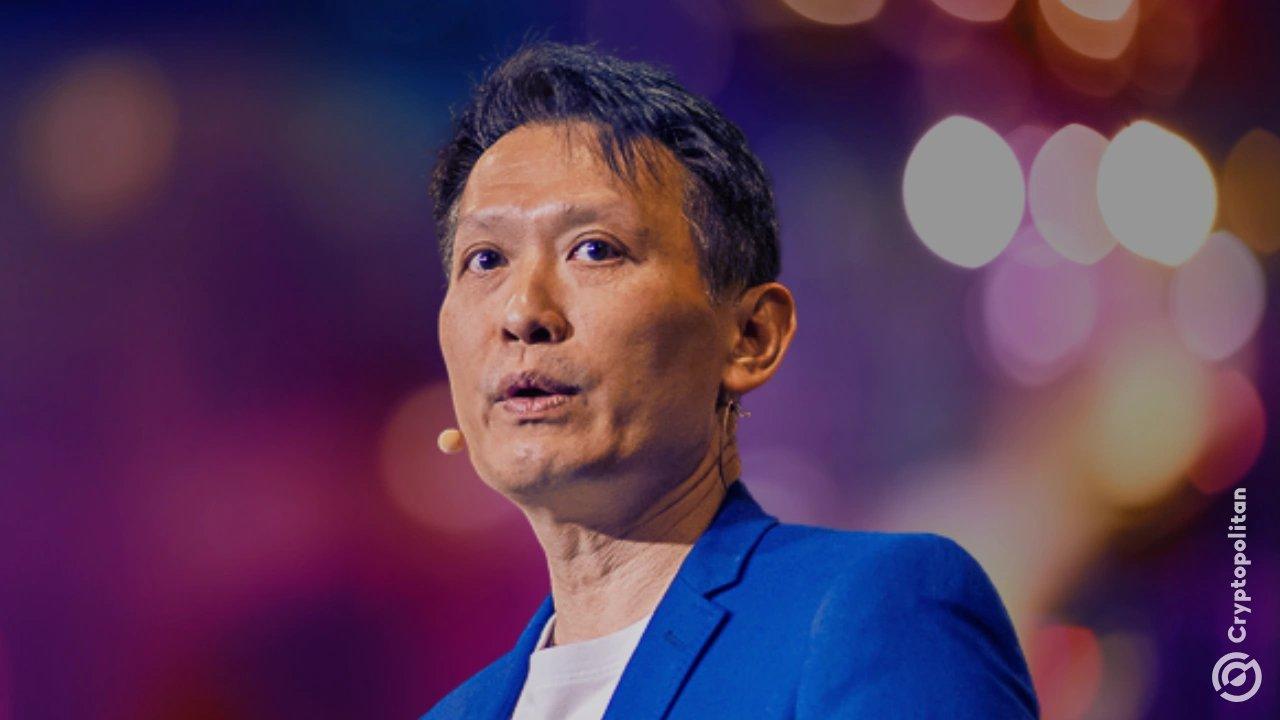
Richard Teng, Co-CEO of Binance, has emphasized that cryptocurrency is now establishing itself as a vital financial infrastructure rather than merely a trading asset. He suggests that the rapid settlement capabilities of digital currencies can significantly mitigate the risks faced by investors and institutions compared to traditional T+2 settlement cycles.
Importance of Cryptocurrency's Role in Finance
Teng points out that blockchain technology is increasingly being tapped for a variety of financial applications, such as payments, trading, and tokenization, showcasing its potential beyond investment. This shift underscores the importance of crypto as an integral part of future financial services.
- Tokenized real-world assets (RWAs) have surged to $32.6 billion, marking an increase of nearly three times over the past year.
- Crypto markets operate 24/7, unlike traditional markets that function within limited trading hours.
- Transactions in crypto can clear nearly instantaneously, reducing exposure to market risks.
Challenges in Traditional Markets
Teng elaborates on the limitations of traditional financial systems where stocks and bonds trade primarily during set hours. He notes that this restricts investors' options for hedging or exiting positions when significant news emerges outside these hours.
Moreover, the T+2 settlement cycle means that capital remains vulnerable to counterparty and market risks for two days. In contrast, the instant settlement capabilities of cryptocurrencies enable a safer and more efficient trading environment.
According to Teng, users are seeking an integrated platform that combines various tools to engage with digital asset markets, highlighting Binance's effort to accommodate this demand.
Future Outlook and Market Implications
As cryptocurrency continues to evolve, industry participants should keep an eye on developments that may affect its integration into mainstream finance. Upcoming trends in tokenization, changing regulations, and improvements in market infrastructures will be key factors to monitor.
This information is for informational purposes only and does not constitute financial advice.