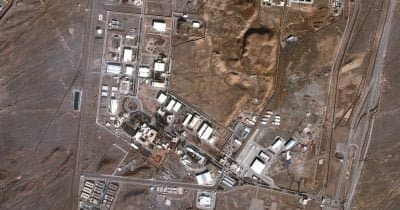
Renewed US military strikes in July on Iran intensified global oil market uncertainties, causing a sharp reassessment of risks by traders worldwide. Brent crude volatility surged back into the spotlight after months of relative stability, raising concerns over sustained prices exceeding $100 per barrel.
The crisis spiraled after fragile ceasefire terms collapsed, echoing the turmoil seen earlier in the year. Since late February, tensions escalated following the US-Israel coalition’s actions, igniting open conflict that centered around the Strait of Hormuz a critical maritime chokepoint responsible for roughly 20% of daily global oil shipments.
Market Impact and Historical Context
On March 4, the effective closure of the Strait triggered one of the most dramatic price rallies in recent memory. Brent crude jumped over 55%, soaring from approximately $72 per barrel before the conflict to peaks ranging between $119 and $120 amid initial panic.
The International Energy Agency described this event as the "greatest global energy security challenge in history". Despite partial recoveries in tanker traffic through the strait by July, prices only retracted to about $70 to $82 per barrel, indicating prolonged fragility.
A Reuters poll conducted in March highlighted analysts revising their 2026 Brent crude price forecasts upward by almost 30%, averaging $82.85 per barrel compared to the previous $63.85 estimate. Should extended military operations further disrupt tanker movements, projections warn prices could remain consistently above $100.
The rebound in oil prices is also expected to exert pressure on global inflation, with analysts estimating the conflict could contribute approximately 0.8% to worldwide inflation rates. Interestingly, the crisis period showed little evidence that oil price spikes have significantly influenced cryptocurrency markets, as Bitcoin and other digital assets seemed driven by independent factors.