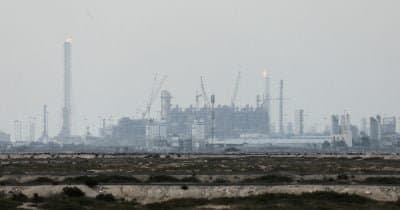
Qatar has formally held Iran accountable for missile and drone strikes that damaged its Ras Laffan LNG facility, reducing export capacity by nearly 17% and prompting a demand for compensation through the United Nations. The disruption is expected to last between three and five years, significantly affecting global energy markets.
Impact on Energy and Crypto Markets
The missile strike on the world’s largest LNG export terminal triggered a formal UN complaint in early April 2026, signaling Qatar’s intent to seek financial redress rather than a solely diplomatic protest. Since then, Qatar has reported additional missile attacks, with some civilian injuries recorded as recently as July 2026.
This conflict intensified after U.S. and Israeli strikes on Iranian targets on February 28, 2026, which provoked Iran to launch attacks across several Gulf states, including Qatar.
According to Chainalysis data, Iranian crypto exchanges experienced massive withdrawals following the attacks: over $2 million left within an hour and $10.3 million total by the next trading day. Bitcoin fell below $73,000 before recovering to around $67,000, and Ethereum dropped under $2,000. The resulting sell-off erased about $80 billion from overall crypto market capitalization.
The reduction in Qatar’s LNG exports will reshape energy pricing globally. European buyers, who have been diversifying away from Russian gas, face new supply challenges. Qatar’s use of international legal channels, including potential arbitration or asset claims, suggests a strategic approach to managing the fallout.
This article is for informational purposes and is not financial advice.