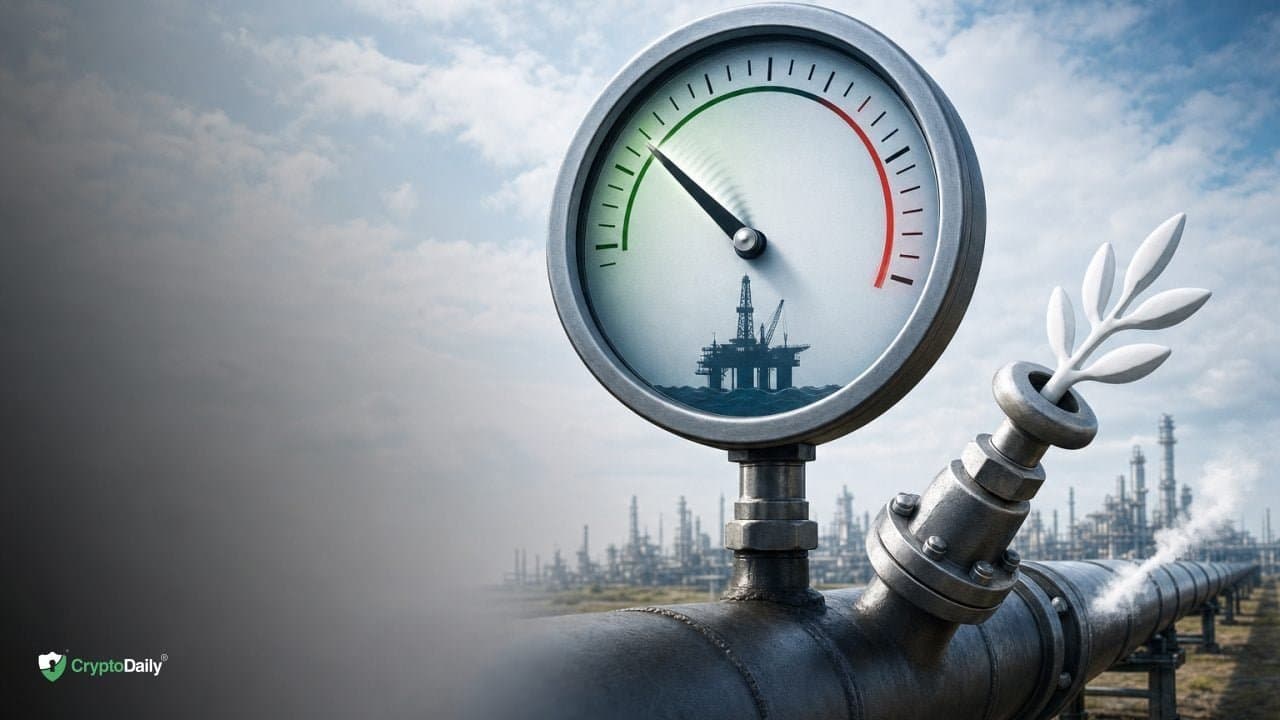
Rising tensions from the conflict involving Iran have triggered major disruptions in oil shipments, causing gasoline and diesel prices in the Philippines to surge sharply. Tehran’s blockade of the Strait of Hormuz, a key passage for global oil transport, is at the center of the supply constraints affecting fuel costs.
Oil Market Impact and Price Forecasts
The closure of the Strait of Hormuz has pushed Philippine gasoline prices to double and diesel prices to triple, reflecting the strain on fuel availability. Market forecasts show an increased likelihood of crude oil hitting new all-time highs, with the probability of a record price by September 30 now at 6.8%, up from 5% the day before. The chance of reaching a new peak by December 31 has also climbed to 13.5%. These shifts underline growing investor concerns about prolonged geopolitical instability and its effect on oil supply.
Industry watchers are closely observing potential responses from organizations like OPEC and the International Energy Agency, which may adjust production levels to ease shortages. Any changes in the Iran conflict’s intensity or resolution could dramatically alter oil price trajectories.
Economic Fallout in the Philippines
The fuel price hike has exacerbated economic pressures in the Philippines, where inflation reached a 20-month high in March 2026. President Ferdinand Marcos Jr. has declared a national energy emergency to address the crisis, but transport sector strikes continue as public dissatisfaction mounts over the rising cost of fuel. These disruptions highlight the broader social impact of energy market volatility amid geopolitical conflicts.
Maintaining an eye on developments in the Strait of Hormuz will be critical for forecasting near-term changes in oil prices and supply. The ongoing situation demonstrates how regional conflicts can ripple through global energy markets and domestic economies.
This material is informational and does not constitute financial advice.