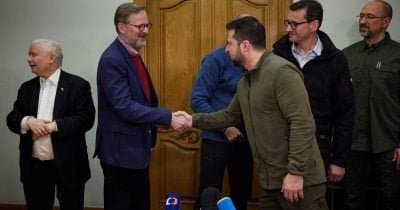
The recent dismissal of Fedorov has ignited significant internal tensions within Ukraine's leadership, particularly surrounding President Volodymyr Zelensky. This upheaval highlights disputes over military strategies, with factions divided between modern drone warfare and traditional military methods.
Protests have erupted nationwide in response to Fedorov's ousting, reflecting widespread discontent that has even led to resignations from military personnel. The situation indicates deep divisions within the government that could threaten Ukraine’s wartime unity and its ongoing reform agenda.
Impact on Peace Negotiations
Market analyses now suggest that the likelihood of reaching a peace agreement with Russia before 2027 has diminished. The current political instability raises concerns about Ukraine's ability to present a united front against Russian aggression, complicating any potential negotiations.
Observers are urged to keep an eye on upcoming statements from key Ukrainian officials, including Zelensky and Defense Minister Rustem Umerov. Their responses may shed light on the internal dynamics and future strategic directions of Ukraine.
Furthermore, shifts in Russia's diplomatic posture or military actions could significantly affect the chances of a negotiated settlement. The evolving political landscape in Ukraine is critical, as it will influence both domestic stability and international perceptions regarding peace efforts.
This material is informational and should not be considered financial advice.