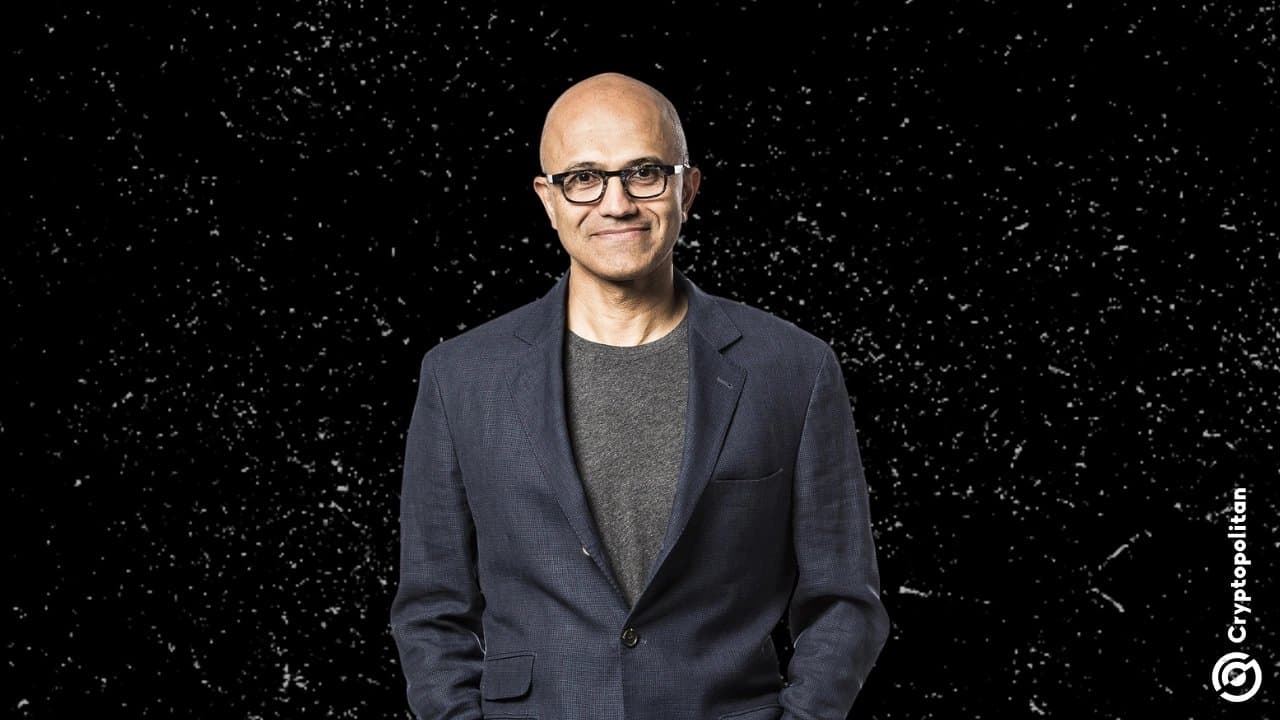
As the debate over the permissibility of cryptocurrency under Islamic law intensifies, Mufti Taqi Usmani has declared Bitcoin and other digital assets as non-compliant with Shariah principles. During a recent discussion, he emphasized the need to protect Pakistanis from potential fraud and exploitation in the rapidly evolving crypto landscape.
On June 10, Jamia Darul Uloom Karachi, a prominent Islamic educational institution, issued a fatwa condemning the use of cryptocurrencies. The ruling, signed by Usmani and other senior scholars, refers to digital currencies as mere "fictitious numbers in an account" and prohibits their purchase, arguing that they do not qualify as real wealth under Islamic law. This fatwa carries significant weight, particularly because Usmani advises Meezan Bank, Pakistan's second-largest financial institution.
Pakistan stands as a major player in the global cryptocurrency market, ranking third in grassroots adoption, behind only India and the United States. The timing of the debate could impact governmental strategies; Pakistan has been leveraging cryptocurrency to strengthen ties with the U.S., particularly through deals involving stablecoins. In January, the finance ministry agreed to explore a stablecoin project, potentially transforming relations with U.S. stakeholders.
However, not all Islamic scholars are against cryptocurrencies. The Saylani Welfare International Trust, through its head mufti Wasim Akhtar Al-Madani, posits that crypto should be viewed as a recognized right rather than conventional wealth, indicating a more flexible interpretation of Shariah compliance. This differing perspective reflects the broader complexity of integrating digital assets within traditional Islamic frameworks.
This material is for informational purposes only and does not constitute financial advice.