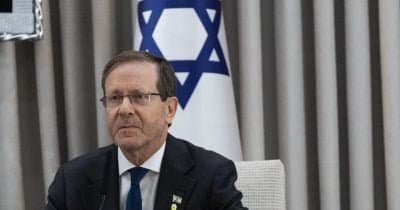
Israeli President Isaac Herzog shared his commitment to achieving peace with Saudi Arabia, referring to it as his "dream" during a recent interview. He acknowledged the ongoing tensions with Iran, stating he was "unsurprised" by the escalation of hostilities in the region, which has resumed following a short ceasefire. Notably, Iran has been involved in military actions against U.S. installations while Israel has conducted airstrikes targeting sites in Iran and Lebanon.
Despite the rising conflicts, Herzog emphasized that the pursuit of diplomatic relations with Saudi Arabia remains a key objective for Israel. Ongoing discussions between the two nations signal attempts at normalization, revealing a dual strategy of managing conflict while seeking peace. The current geopolitical landscape is characterized by military engagements alongside these diplomatic initiatives.
Market analysis highlights a growing skepticism towards forthcoming U.S.-Iran peace talks, with the probability of successful negotiations dropping to 17.5% for the sub-market targeting July 31, 2026. This declining sentiment reflects concerns about the stability of the region following Herzog's remarks regarding the Iran situation, which could further impact confidence in the diplomatic efforts.
Looking ahead, the evolution of the Israel-Iran conflict and any changes in Israel's military strategies will play a crucial role in shaping perceptions of potential U.S.-Iran negotiations. Furthermore, significant developments, such as official statements from U.S. or Iranian authorities, could serve as catalysts for renewed dialogue. The ongoing progress in the Israel-Saudi normalization process may also influence regional dynamics and expectations surrounding peace discussions.
This material is for informational purposes only and does not constitute financial advice.