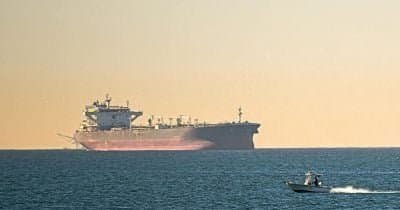
The oil spill from the Caroline Bezengi, a tanker linked to the so-called "shadow fleet," is spreading off Oman's coast, raising alarms over environmental damage and maritime safety in the strategic Strait of Hormuz. Satellite images confirm the expanding slick, while the vessel remains under EU and UK sanctions for carrying Russian oil, highlighting the risks posed by ships operating outside formal regulatory frameworks.
Market watchers tracking shipping conditions through the Strait of Hormuz have responded quickly. The odds for normalized traffic by September 30, 2026, have dropped to 16.5%, down from 22% a week ago. This signals growing concern that the spill could disrupt one of the world's busiest oil transit routes, potentially impacting global energy supplies and raising insurance costs for shippers navigating the area.
Geopolitical and Environmental Stakes
The Caroline Bezengi's spill shows ongoing tensions surrounding sanctioned vessels in sensitive maritime corridors. The Strait of Hormuz handles roughly a third of all seaborne oil, making any disruption especially consequential. At the same time, U.S.-Iran negotiations over Gulf security add a layer of geopolitical complexity that could affect responses to the incident and future maritime operations. Oman and neighboring countries are expected to take action on containment, but how swiftly and effectively remains uncertain.
As the region grapples with these challenges, the spill serves as a stark reminder of the environmental dangers shadow fleet operations pose, with consequences that ripple through both local ecosystems and international markets.
This content is for informational purposes and does not constitute financial advice.