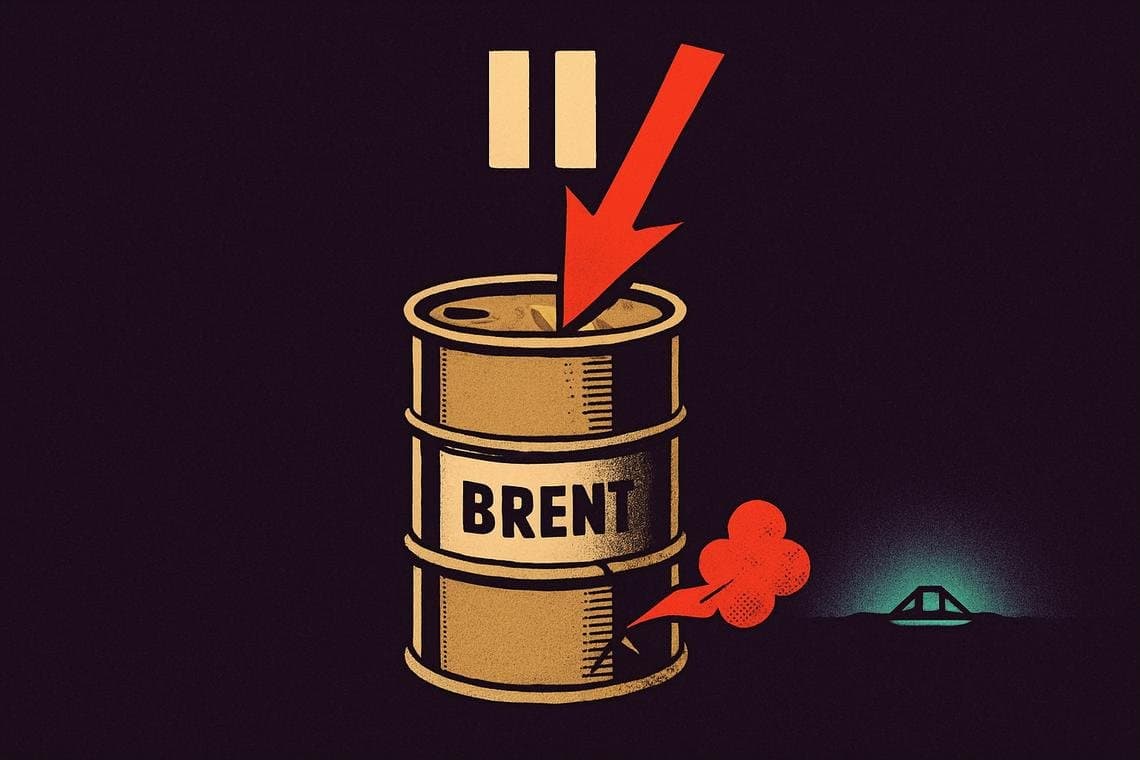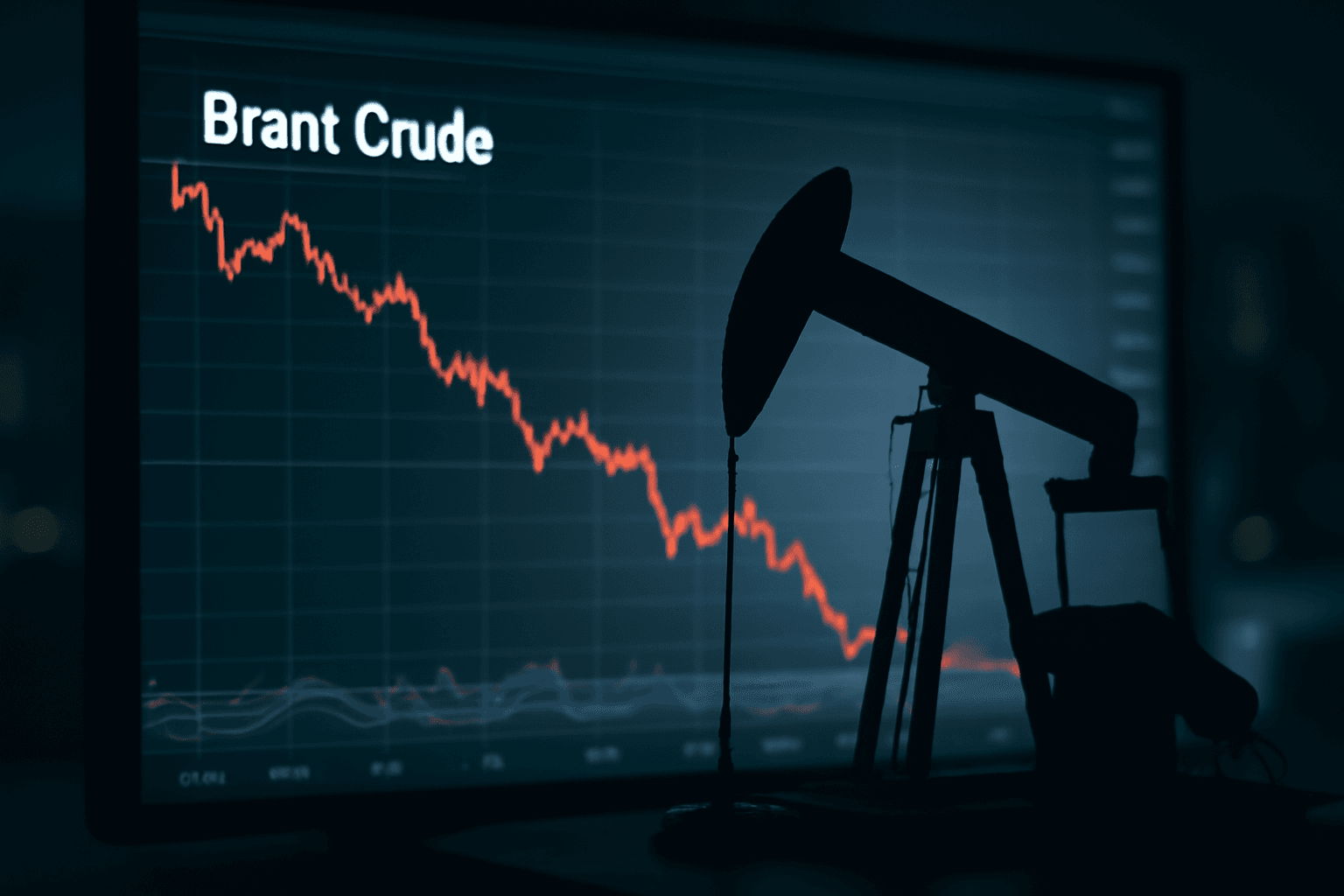
“The market’s breathing a sigh of relief,” said a trader at a major energy desk, observing how crude oil prices tumbled more than 5% overnight. Brent crude slipped to around $83.60 a barrel, while West Texas Intermediate hovered near $80, marking a sharp correction after weeks of geopolitical jitters. The catalyst behind this sudden shift is the thawing tensions between the U.S. and Iran, which have dialed down the risk premium that had been pushing prices higher.
Energy giants like Exxon Mobil and Chevron didn’t escape the fallout. Both saw their shares dip notably in premarket trading, dragging down the broader S&P 500 energy sector. The market’s newfound optimism over diplomatic talks suggests a much lower chance of crude hitting all-time highs by the end of September, with current models pricing that probability at just 4%. This contrasts sharply with the heightened fears that dominated the oil landscape only days ago.
Investors are now watching closely for any changes in OPEC’s production plans or unexpected shifts in global demand that could reverse this trend. The delicate balance between diplomatic developments and supply-side decisions will be key to oil’s near-term trajectory. This episode highlights how swiftly markets can react to geopolitical signals, underlining the volatile nature of energy stocks amidst international negotiations.
Meanwhile, the broader financial world braces for potential ripple effects from these moves. For context, recent market swings have also affected sectors beyond energy, as geopolitical stability tends to ease pressure on risk assets. Traders remain alert for fresh catalysts that could either reinforce or undermine the current sentiment around oil prices.
This content is for informational purposes only and does not constitute financial advice.