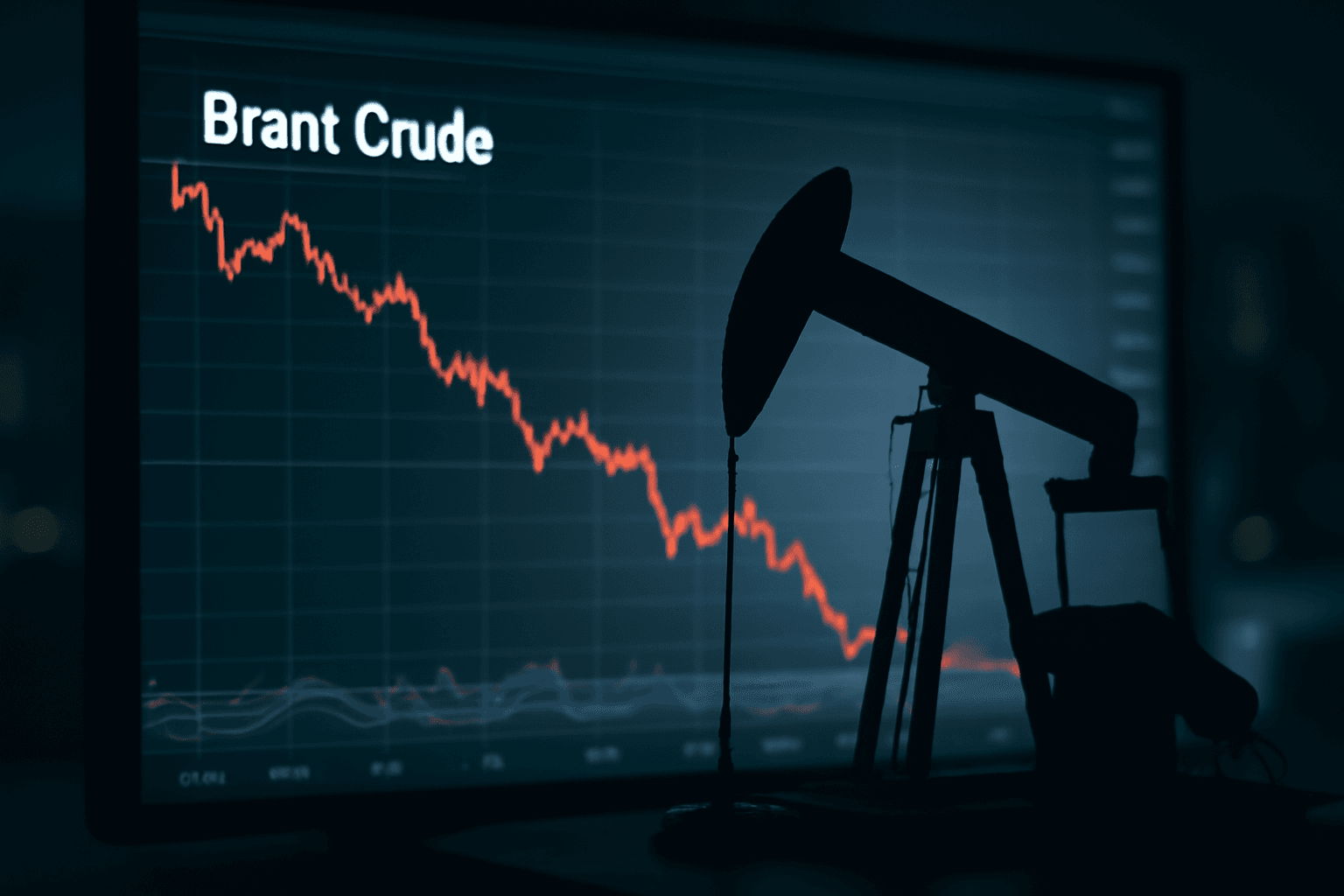
Brent crude oil plunged sharply, slipping more than 7% and dipping below $82 a barrel after President Donald Trump halted planned military strikes against Iran. U.S. crude followed suit, falling under $79 per barrel. The move sparked one of the clearest market reversals seen this year, shaking off weeks of mounting fear over a Middle East conflict disrupting global supply.
The market had been bracing for conflict as tensions escalated near the Strait of Hormuz, a critical oil transit route. July saw Brent crude surge to $92.65 at one point, fueled by fears that the U.S.-Iran clash could choke off shipments. Traders had wrapped a hefty risk premium into prices, anticipating supply shocks. Trump’s decision to pause strikes and reopen diplomatic talks sent shockwaves through these calculations, instantly wiping out a large chunk of that premium and triggering a swift selloff.
Price Swings Reflect Market Sensitivity
At its lowest, Brent crude dropped 7.3%, falling to $81.55 before recovering somewhat. This intraday volatility highlights how sharply oil markets react to geopolitical news, with even tentative shifts in policy translating into massive price swings. While prices have retreated, they remain around 20% above levels before tensions spiked earlier this summer.
This pullback interrupts a volatile rally driven by escalating U.S.-Iran hostilities. The sharp decline shows the precarious balance between geopolitical risk and market sentiment in energy trading. It also signals how closely investors are watching Washington and Tehran’s next moves, with small policy reversals capable of causing outsized reactions.
material is for informational purposes and does not constitute financial advice