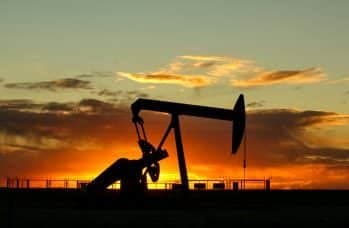
Brent crude briefly surged above $90 per barrel due to tanker attacks near the Strait of Hormuz before retreating amid new diplomatic efforts between the U.S. and Iran.
Supply Concerns and Military Escalation
Brent reached $91.42, its highest since early June, following reports of two vessels managed by Greek company Dynacom Tankers being struck off Oman. Iran’s Revolutionary Guards also reported explosions on two oil tankers navigating a hazardous route through the strait, though it is unclear if these incidents involved the same ships. Shipping through the Hormuz passage has significantly slowed, with only four vessels crossing on Sunday compared to eight the previous day. This waterway is critical, handling nearly 20% of the world’s oil supply prior to the conflict.
The regional tensions intensified as the U.S. conducted its ninth straight night of strikes against Iran. Additional Iranian assaults were reported by Kuwait and Bahrain, while Yemen’s Houthis declared a naval blockade of Saudi maritime routes, adding pressure on oil transit through the Red Sea.
Price Volatility Amid Diplomatic Efforts
Later declines in crude pricing followed the announcement of a proposed 10-day ceasefire to revive interim agreements between Washington and Tehran. Brent prices fell to about $88, reflecting sensitivity to both conflict escalation and peace talks.
West Texas Intermediate (WTI) crude also reversed its earlier gains near the $84-$85 range, dipping below $81 after reaching $85.60. U.S. Senator Marco Rubio indicated the possibility of negotiated solutions, while Iran acknowledged receiving mediator proposals. The price rejection near the gap zone suggests the market's uncertainty over sustained supply disruptions.
Traders responded to ceasefire news by reducing the risk premium on crude, pushing WTI below $80 in some sessions. For WTI to regain momentum, it must hold above $82-$85. Failure to do so could lead to further declines toward $75. However, with ongoing military operations and fragile talks, a breakdown in diplomacy could quickly restore upward pressure on oil prices.