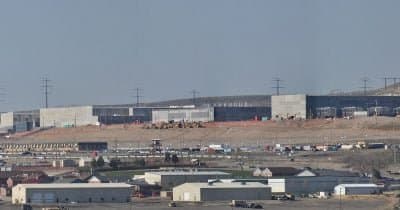
On July 14, 2026, New York became the first U.S. state to impose a one-year moratorium on large data center approvals, as Governor Kathy Hochul signed an executive order halting projects with a peak demand of 20 megawatts or more. This decision is part of the Responsible Data Center Development Act, passed by the state legislature on June 4, 2026.
The moratorium freezes any new applications and permits for data centers meeting the 20 MW threshold, but does not affect ongoing constructions. Facilities that commenced operations prior to the moratorium are exempt from these restrictions. The New York Department of Environmental Conservation will use the pause to evaluate the environmental and community impacts of these facilities.
Implications for Cryptocurrency Operations
This initiative raises significant concerns for the cryptocurrency sector, particularly since New York has a history of regulating energy-intensive operations. In 2022, a two-year moratorium was placed on proof-of-work crypto mining using fossil fuels. This new statewide moratorium expands the scope to include any large data center, impacting both mining facilities and AI compute centers.
Many mid-sized Bitcoin mining operations already consume around 20 MW, while larger setups can require hundreds of megawatts. Companies like Hut 8 and Core Scientific have adapted to offer both mining and AI capabilities. The moratorium does not differentiate between the types of operations within these data centers, making it a blanket restriction on large energy consumers.
Future of Infrastructure Investments
New York's move consolidates various local restrictions into a comprehensive statewide policy. This could reshape the future of energy consumption in the state, especially if the environmental review leads to regulations that emphasize renewable energy sources or net-zero carbon commitments for new data centers. Investors in the infrastructure sector should closely monitor the developments during the one-year review period, as the outcomes could significantly alter the cost dynamics of both crypto mining and AI operations.
This material is informational and should not be considered financial advice.