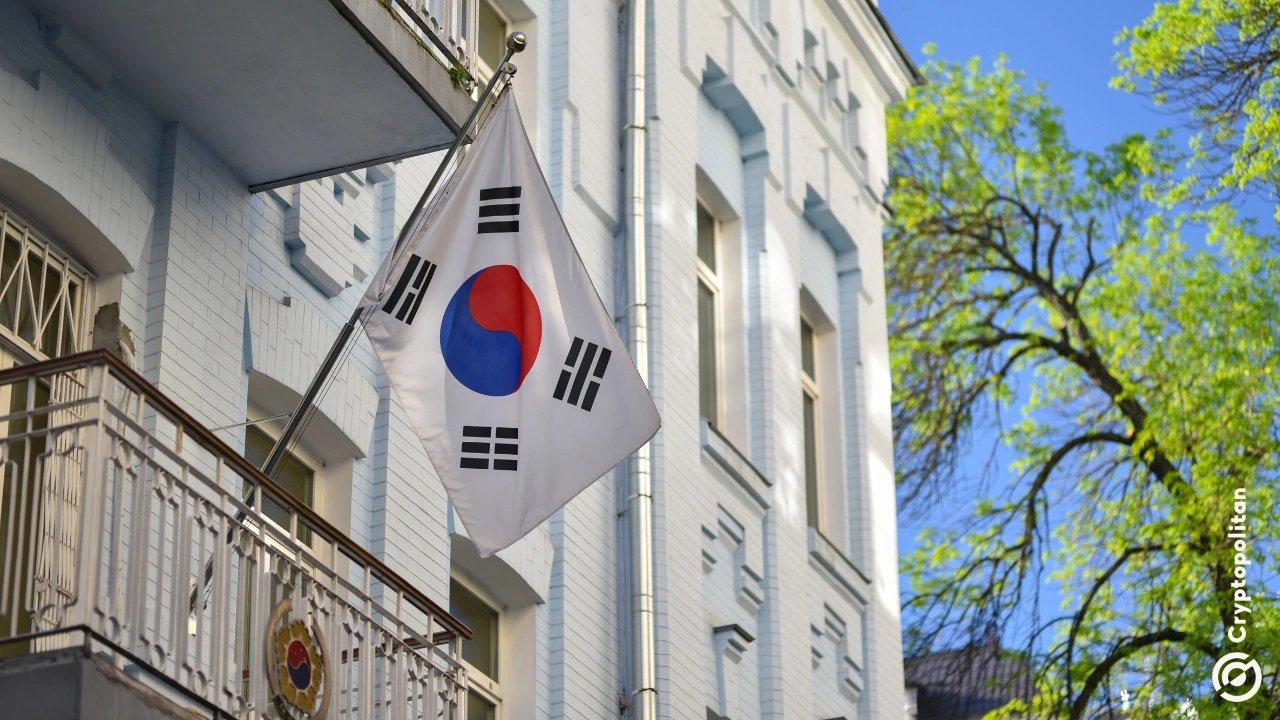
The Supreme Court of South Korea has introduced a draft proposal outlining new regulations for the seizure and liquidation of cryptocurrency assets. The proposed rules aim to provide a structured approach to handling digital assets involved in court cases, responding to an increase in cryptocurrency-related disputes throughout the country.
Proposed Procedures for Seizing Digital Assets
The draft amendments define specific processes for courts to implement when dealing with seizures of digital assets. According to the proposal, once a court orders the seizure of cryptocurrency, debtors would be prohibited from moving those assets. They would be required to transfer the seized assets to a court-appointed enforcement officer immediately, which would solidify the seizure's effectiveness upon receipt by the officer.
Options for Liquidation and Creditor Recovery
The amendments further stipulate that courts could either transfer seized assets directly to creditors or sell them through regulated procedures. Enforcement officers may initially place the assets in accounts designated for virtual asset service providers before liquidation occurs. Additionally, these officers would have the capability to convert the holdings into Bitcoin to facilitate the sale process if necessary, ensuring a range of methods for asset disposition. This proposal aims to enhance the recovery options available to creditors without modifying existing legal rights.
Addressing Rising Disputes in Cryptocurrency
As cryptocurrency disputes increase, the draft also lays out rules for preliminary seizures and court injunctions to safeguard assets during ongoing litigation. These provisions are designed to prevent debtors from concealing or transferring cryptocurrency, thus preserving disputed assets before final court judgments. The Supreme Court has emphasized the need for these updated enforcement procedures to address existing legal gaps affecting digital asset management.
Public commentary on the draft regulations is open until August 11, and revisions to the proposal are anticipated in October. This regulatory move reflects South Korea's commitment to establishing clearer legal standards in the rapidly evolving landscape of digital currencies.