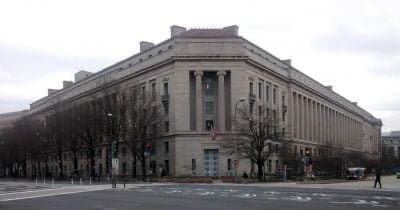
The US Department of Justice (DOJ) has launched a specialized unit aimed at prosecuting trade fraud, shifting the focus from civil penalties to criminal charges. Announced on July 14, this new section within the DOJ's National Fraud Division will target customs fraud, tariff evasion, and violations of anti-forced labor laws from its base at a US Customs and Border Protection facility in Chicago.
Assistant Attorney General Colin McDonald highlighted that the DOJ now considers trade fraud violations as serious economic crimes, comparable to securities fraud or money laundering. This marks a significant change from the historical approach, where offenders faced only administrative fines and not criminal repercussions.
The establishment of this enforcement section builds on the success of the Trade Fraud Task Force, which was initiated on August 29, 2025. This task force has already facilitated over $1 billion in recoveries through a mix of civil and criminal actions. Recent cases cited by the DOJ involved gold jewelry imports in Chicago, where importers allegedly misrepresented the value of shipments worth $933 million, leading to the evasion of approximately $51.6 million in duties.
Importers must now navigate a landscape of increased scrutiny, with the possibility of more frequent audits and a greater risk of criminal prosecution for practices that might have previously resulted in merely financial penalties. Companies that self-disclose violations may find themselves treated more leniently.
For investors, this shift in policy means that compliance costs are likely to increase, particularly for firms that have underreported tariff declarations or sourced products from regions with known forced labor issues. Beyond financial penalties, these companies risk reputational damage and potential criminal liabilities for their executives.
This information is intended for informational purposes only and does not constitute financial advice.