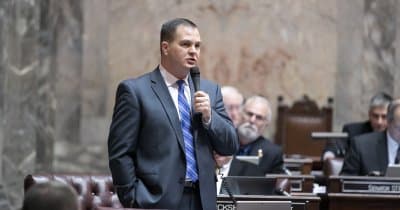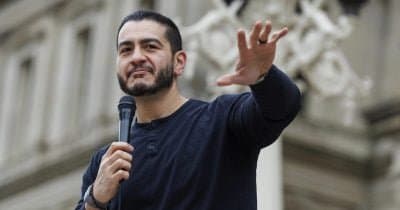
Abdul El-Sayed has opened a lead over Haley Stevens in Michigan's Democratic Senate primary, though the gap is narrowing as the race intensifies. With Gary Peters stepping aside after his current term, the two are fighting for a seat Democrats cannot afford to lose if they want to keep Senate control in a state leaning competitive.
Sanders and Ocasio-Cortez are backing El-Sayed. Stevens represents the moderate wing. The split between progressive and establishment camps is shaping everything about how this primary unfolds, from endorsements to ground operations to how voters size up each candidate's chances against Republicans in November.
Prediction markets are signaling a shift. According to recent activity, confidence that El-Sayed will win by the comfortable 10 to 15 point margin some had priced in is fading. YES contracts on his decisive victory have dropped significantly. In Macomb County, a historically Democratic stronghold where El-Sayed needs overwhelming support, the market is also showing less certainty about his ability to run up the score.
What traders and watchers are tracking
The next polling wave matters enormously. Emerson and other serious pollsters will either restore some confidence in the current frontrunner or confirm that moderate Democrats are consolidating behind Stevens faster than expected. Turnout in places like Macomb will be telling, especially among voters who backed McMorrow in her own races. Any surprise shift in endorsements or late-breaking campaign news could reset market prices entirely.
Michigan is a toss-up state in the general. Democrats winning the Senate depends heavily on holding it. That weight makes every move in this primary consequential, both for the party's internal balance and for which candidate faces the Republican opponent in autumn.
This report is informational only and does not constitute financial advice. Prediction markets reflect trader sentiment, not polling certainty.