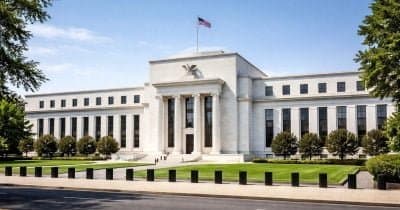
The latest manufacturing survey just landed hard numbers on what Fed officials have been hearing anecdotally for months. Inflation anxiety among factory operators has climbed past pandemic-era levels. That's the kind of signal that moves central banks.
Companies across the manufacturing sector now expect significant price pressures ahead. The data cuts against the narrative that inflation is cooling naturally. Instead, businesses are bracing for sustained cost burdens, which means they're building pricing expectations into their own planning. When manufacturers think prices will stay high, they adjust wages and contracts accordingly, which can become a self-fulfilling prophecy.
The Federal Reserve sits at an awkward crossroads. Policy rates remain elevated, still far above the 2% inflation target that guides Fed decisions. Rate cuts seemed plausible earlier this year when inflation was trending down. That window appears to be closing. The FOMC now faces pressure to keep rates higher for longer, or risk letting inflation expectations unanchor even more.
What traders are pricing in
Markets have already shifted. Odds of a near-term rate cut have compressed significantly. Traders are now modeling sustained elevated rates through late 2026, a meaningful change from expectations just weeks ago. Bond markets, usually the most forward-looking pricing mechanism, suggest the Fed won't get much room to ease policy anytime soon.
The survey essentially locked in expectations. Every Fed statement and inflation print now gets read through this lens. If the next CPI report shows persistent pressure, the case for holding rates steady becomes almost automatic.
Markets are watching Jerome Powell's next statement like hawks. One slip toward dovish language could spark buying. Until then, the manufacturing survey sits as exhibit A in the bull case for higher rates longer.